

Video Podcasts for Brands: Setup, Distribution & Monetization Guide 2026
Video podcasting has officially transformed into a video-first medium in 2026, with platforms like YouTube, Spotify, LinkedIn, and TikTok prioritizing video discovery and long-form engagement. Brands can no longer rely on audio-only production as visual storytelling drives higher retention, shareability, and algorithmic visibility. This comprehensive guide walks you through essential equipment, multi-platform distribution strategies, and five proven monetization models that transform corporate podcasts from marketing expenses into revenue-generating assets, positioning your brand as an industry thought leader while building direct audience relationships.
Essential Video Podcast Equipment for 2026
Camera Setup: Invest in 4K mirrorless cameras with AI auto-framing capabilities like the Sony ZV-E10 (creator favorite with exceptional autofocus) or Canon R50 (lightweight with accurate color reproduction). These cameras provide clean HDMI output, reliable autofocus, and accurate skin tones essential for professional presentations. Budget-conscious brands can start with high-end webcams like Logitech MX Brio or Insta360 Link offering 4K resolution and AI face-tracking at fraction of mirrorless costs.
Microphone Selection: Audio quality determines credibility—poor sound undermines even the most valuable content. The Shure MV7 hybrid USB/XLR microphone offers flexibility for growth, working plug-and-play initially while supporting professional audio interfaces later. Dynamic microphones like the Rode PodMic excel in untreated rooms by rejecting background noise, while condenser options like Audio-Technica AT2020 capture vocal nuances ideal for controlled studio environments.
Lighting Architecture: Lighting defines on-camera quality more than the camera itself. Professional setups employ three-point lighting systems: key light as main illumination, fill light reducing shadows, and backlight adding depth separation from backgrounds. Adjustable LED panels with color temperature control enable matching ambient lighting conditions, while budget-friendly ring lights provide flattering illumination for solo presenters.
Audio Interfaces and Mixers: Multi-guest formats require dedicated audio interfaces enabling independent control over each microphone. The Rodecaster Pro II leads professional setups with intuitive controls, built-in processing, and seamless integration. Budget alternatives like Zoom PodTrak P4 or Focusrite Vocaster series provide clean preamps and essential features at accessible price points.
Recording Software and Workflow Integration
AI-Powered Editing Platforms: Descript revolutionizes post-production by enabling text-based video editing where you edit transcripts and video updates automatically—cutting production time by 70%. Adobe Podcast provides AI noise cleanup and enhancement transforming imperfect recordings into broadcast-quality audio, while Riverside FM offers multitrack cloud recording ensuring pristine audio/video even with remote guests.
Live Recording and Streaming: StreamYard enables simultaneous streaming to YouTube, LinkedIn, and Facebook while recording locally, perfect for brands wanting live engagement alongside evergreen content. These platforms provide built-in graphics, lower thirds, and screen sharing capabilities eliminating complex OBS configurations.
Synchronization and Quality Control: Record at consistent frame rates (24/30fps) and audio sample rates (48kHz) to simplify editing, use visual/audio cues (hand claps) at recording start for manual sync, and leverage AI-powered auto-sync in Descript for multicam setups. This technical discipline prevents time-consuming post-production troubleshooting while ensuring professional output quality.
Strategic Distribution Across Platforms
YouTube: Discoverability and SEO Value: YouTube remains THE platform for organic reach, with Google indexing content for search visibility impossible on audio-only platforms. Upload full episodes plus shorter teaser clips (YouTube Shorts) to boost discoverability, design custom thumbnails signaling professionalism, and add keywords plus transcripts maximizing searchability. Script short wraps or CTAs to film at session end, transforming your channel from episode dump into discoverable content hub.
Spotify: Podcast-First Engagement: Spotify now supports video podcasts via Spotify for Podcasters, enabling uploads that let audiences watch or listen based on preference. This dual-mode delivery builds regular engagement through follow notifications, auto-play episode sequences, and integration with mobile-first communications. The platform particularly suits building repeat listeners/viewers through subscription models where discovery happens through Spotify’s recommendation algorithms.
Vimeo: Controlled Brand Experience: Vimeo provides clean, ad-free embeds perfect for website integration where you control the viewer experience completely. Unlike YouTube, Vimeo prevents unexpected “next up” videos from competitors and enables full control over end-screen content—typically pointing to your next episode or conversion pathways. This controlled environment aligns with corporate brand standards while maintaining professional presentation.
Recommended Distribution Flow: Embed Vimeo versions on your website for control and polish, upload full episodes plus Shorts to YouTube for discoverability and SEO lift, distribute full episodes on Spotify for podcast-first reach and app-based users, tailor social media and newsletter links based on channel audience behavior, and script bespoke Shorts or CTAs maximizing each platform’s unique advantages.
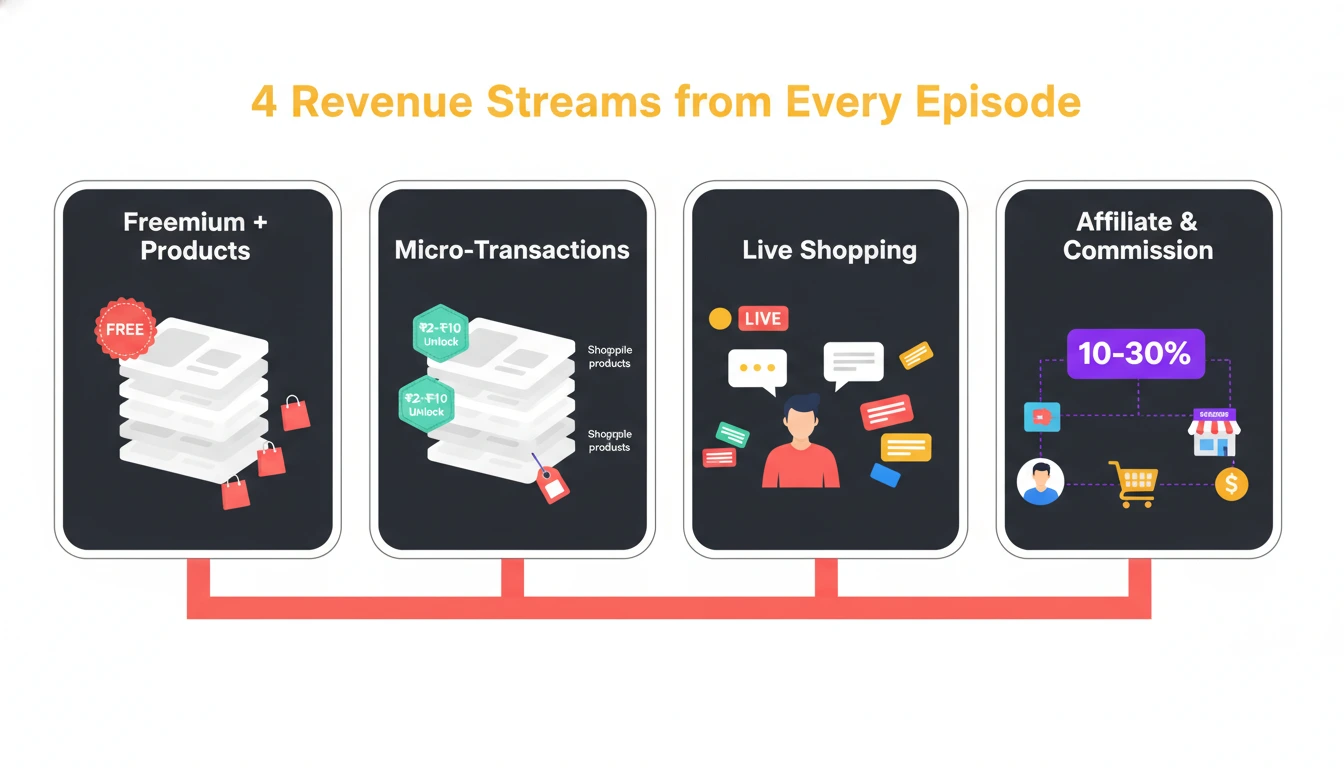
Five Proven Monetization Models
- Advertising and Sponsorships: Host-read ads consistently outperform traditional advertising due to highly engaged niche audiences. Dynamic ad insertion technology places targeted ads into episodes automatically, maximizing revenue across old and new content. Brands pay premium rates when podcasts serve specific demographics—technology executives, healthcare professionals, or marketing leaders—because ads reach highly relevant decision-makers. This model works best after establishing 5,000+ downloads per episode, with typical CPM rates ranging ₹500-2,000 depending on audience quality.
- Premium Content Subscriptions: Offer main episodes freely while charging for premium content exploring specialized topics, case studies, or extended interviews. Platform-native subscriptions on Apple Podcasts and Spotify improve conversion rates through reduced friction as listeners subscribe without leaving familiar apps. Content bundling—including downloadable resources like guides, templates, or research reports—enhances perceived value beyond audio content alone. For brand co-production deals, this model enables testing paid content appetite before committing to extensive production.
- Merchandise and Brand Partnerships: Selling branded merchandise transforms listeners into brand ambassadors spreading awareness beyond the podcast. Brand partnerships involve co-creating content, events, or campaigns rather than simple ad placements—delivering deeper integration and higher payouts. These strategic relationships work particularly well for brands producing regional content where merchandise reflects local culture and linguistic identity.
- Live Events and Experiences: In-person or virtual events monetize audience relationships directly while creating exclusive content for future episodes. Ticket sales, VIP experiences, and corporate sponsorships generate revenue streams unavailable through digital distribution alone. Record live sessions for later distribution, maximizing content ROI while building community connections.
- Strategic Multi-Episode Brand Partnerships: Quarter-long exclusive partnerships with aligned brands generate substantially higher revenue than episodic sponsorships. Co-created “deep dive” bonus episodes sponsored by single brands, branded segments within regular episodes focused on specific topics, and category exclusivity deals (preventing competing brands) command premium rates. A personal finance podcast with 150,000 monthly listeners generated significantly higher effective CPM than standard advertising through this partnership-focused model.
Budget-Based Setup Recommendations
Entry-Level ($300-500): Smartphone with 4K camera capability, USB microphone (Fifine/Maono/Blue Yeti), small LED light panel or ring light, tripod for stability, and free software like OBS, Audacity, or CapCut. This minimal setup produces professional results when recording in quiet rooms with soft furnishings reducing echo.
Mid-Range ($1,500-3,000): Sony ZV-E10 or Canon R50 camera, Shure MV7 hybrid microphone, Focusrite Scarlett audio interface, adjustable LED panel lighting, closed-back monitoring headphones (Audio-Technica M50x), and Descript or Riverside FM subscription. This configuration delivers broadcast-quality output suitable for enterprise brands requiring polished professional presentation.
Professional Studio ($5,000-10,000+): Multiple 4K cameras with clean HDMI output, Rodecaster Pro II or similar professional mixer, dynamic microphones (Shure SM7B) for each host position, three-point lighting system with softboxes, soundproofing acoustic treatment, video switcher managing multiple camera feeds, and advanced editing software with color grading capabilities. This investment suits brands producing regular high-volume content where production efficiency justifies upfront costs.
Optimizing for Brand Objectives
Thought Leadership: Focus on interview formats featuring industry experts, produce detailed analysis episodes exploring emerging trends, and maintain consistent release schedules establishing authority. Use 3-second hooks adapted to longer-form content—opening with compelling questions or controversial statements that immediately demonstrate value.
Lead Generation: Include clear CTAs directing listeners to resources, webinars, or consultations, use gated content requiring email signups for premium episodes, and track attribution through unique URLs or codes mentioned in episodes. Integrate seamlessly with marketing automation systems feeding leads directly into sales pipelines.
Customer Education: Create tutorial series addressing common customer questions, develop product deep-dives explaining features and use cases, and produce case study episodes showcasing customer success stories. This content reduces support costs while improving customer lifetime value through better product adoption.
Employer Branding: Showcase company culture through behind-the-scenes episodes, feature employee stories and career journeys, and discuss industry topics positioning your organization as attractive to top talent. Video format particularly suits this objective by showing—not just telling—what working at your brand actually looks like.
AI Enhancement and Workflow Automation
AI-powered cameras with face tracking automatically reframe shots keeping speakers centered, noise removal algorithms clean up background distractions in post-production, and upscaling technology enhances lower-resolution footage to 4K quality. These enhancements democratize professional production, enabling small teams to compete with well-funded media operations.
AI voice cloning extends reach by enabling localized versions across 10+ languages without re-recording, while automated transcription services improve accessibility and SEO simultaneously.
Integrate podcast workflows with text-based editing tools that compress timelines from weeks to days, enabling rapid iteration and testing of content strategies. This velocity proves critical for brands responding to industry news or seasonal opportunities where timing determines relevance.
Measuring Success and Iteration
Track completion rates revealing which topics and formats retain attention, monitor next-episode clicks indicating content stickiness, analyze traffic sources understanding which distribution channels drive engaged audiences, and measure conversion rates connecting podcast consumption to business outcomes. These metrics transform podcasting from creative experiment into systematic business function with clear ROI justification.
Video podcasting represents one of the highest-ROI content investments brands can make in 2026—building audience relationships, demonstrating expertise, and creating evergreen assets that compound value over years while opening multiple monetization pathways unavailable through traditional marketing channels.
FAQ’S
Q1: What equipment do I need to start a professional brand video podcast?
Minimum setup includes 4K camera (Sony ZV-E10 or quality webcam), USB/XLR microphone (Shure MV7), LED lighting, audio interface, and editing software like Descript.
Q2: Should brands distribute video podcasts on YouTube, Spotify, or both?
Use all three platforms strategically—YouTube for SEO/discoverability, Spotify for podcast-first engagement, and Vimeo for controlled website embeds without competitor distractions.
Q3: How do brands monetize video podcasts beyond advertising?
Five proven models: sponsorships/ads, premium content subscriptions, merchandise sales, live events, and strategic multi-episode brand partnerships commanding premium rates.
Q4: How much does it cost to set up a professional video podcast studio?
Budget ranges from ₹25,000-40,000 (entry smartphone setup) to ₹1.2-2.5 lakhs (mid-range professional) to ₹4-8+ lakhs for broadcast-quality multi-camera studios.
Q5: What’s the minimum audience size needed to monetize a brand podcast?
Sponsorships typically require 5,000+ downloads per episode, but premium subscriptions, brand partnerships, and lead generation monetize from day one regardless of audience size.