

Text-Based Video Editing: Cut Hours from Post-Production with AI Transcription
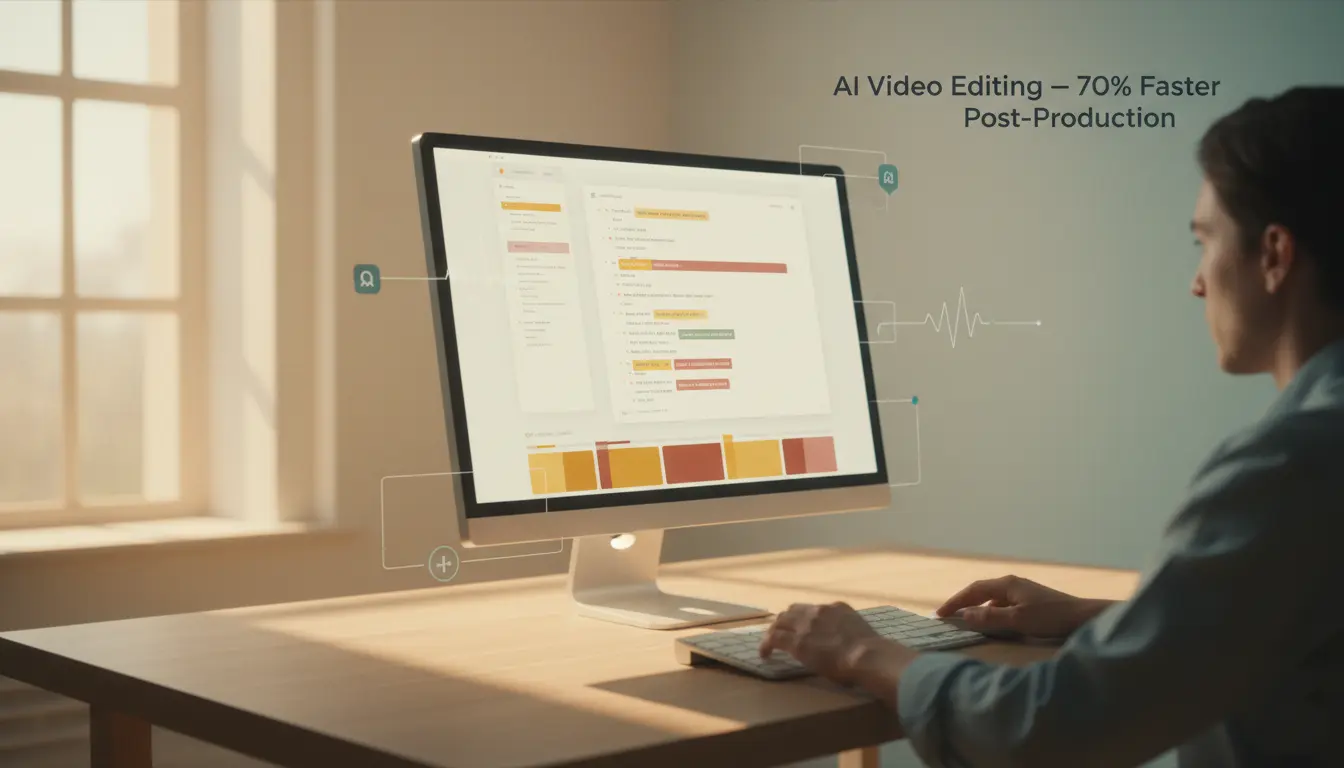
Text-based video editing powered by AI transcription is revolutionizing post-production workflows, reducing editing time by up to 70% while maintaining professional quality standards. Instead of scrubbing through timelines frame-by-frame, editors can now manipulate video content as easily as editing a text document, with AI automatically syncing changes to the corresponding audio and video. This paradigm shift enables production houses to scale output dramatically without proportional increases in labor costs or turnaround times.
How Text-Based Video Editing Works
AI-powered platforms like Descript automatically transcribe uploaded audio and video files with up to 95% accuracy, converting spoken content into editable text within seconds. Editors simply delete words, rearrange sentences, or cut entire paragraphs from the transcript, and the corresponding video segments update instantly without touching the timeline. This document-style editing approach removes the technical barrier between creative vision and execution, allowing anyone to produce polished content regardless of traditional editing experience.
The technology combines speech recognition with neural rendering to maintain seamless transitions, audio quality, and visual continuity even when removing filler words like “um,” “uh,” and repeated phrases automatically. Advanced platforms offer precision timeline editors for fine-tuning clips, adjusting timing, removing cross-talk, and applying audio effects like EQ and compression when more granular control becomes necessary.
Time and Cost Savings That Transform Production
AI reduces post-production timelines from weeks to days, cutting labor costs by up to 50% while enabling small studios and indie creators to compete with larger productions. Smart cut detection analyzes footage to identify optimal cut points automatically, while auto-color grading applies consistent correction across scenes mimicking professional techniques. These automated workflows free editors from repetitive tasks, allowing them to focus on storytelling, creative experimentation, and higher-value activities.
A single editor using text-based tools can now manage multiple projects simultaneously, with AI handling the technical heavy lifting of synchronization, rendering, and format optimization. Production houses creating regional micro-dramas or viral content benefit particularly from these efficiency gains, as rapid turnaround and volume production become commercially viable without sacrificing quality.
Key Features Driving Adoption in 2026
Leading text-based editing platforms offer natural language processing that enables voice or text commands to manipulate footage—editors can say “increase pacing” or “add dramatic fade” and watch changes execute in real-time. Descript’s Underlord AI co-editor provides agentic assistance, while tools like VEED and Pictory AI Studio integrate stock media libraries, AI image generation, and automated subtitle creation within unified interfaces.
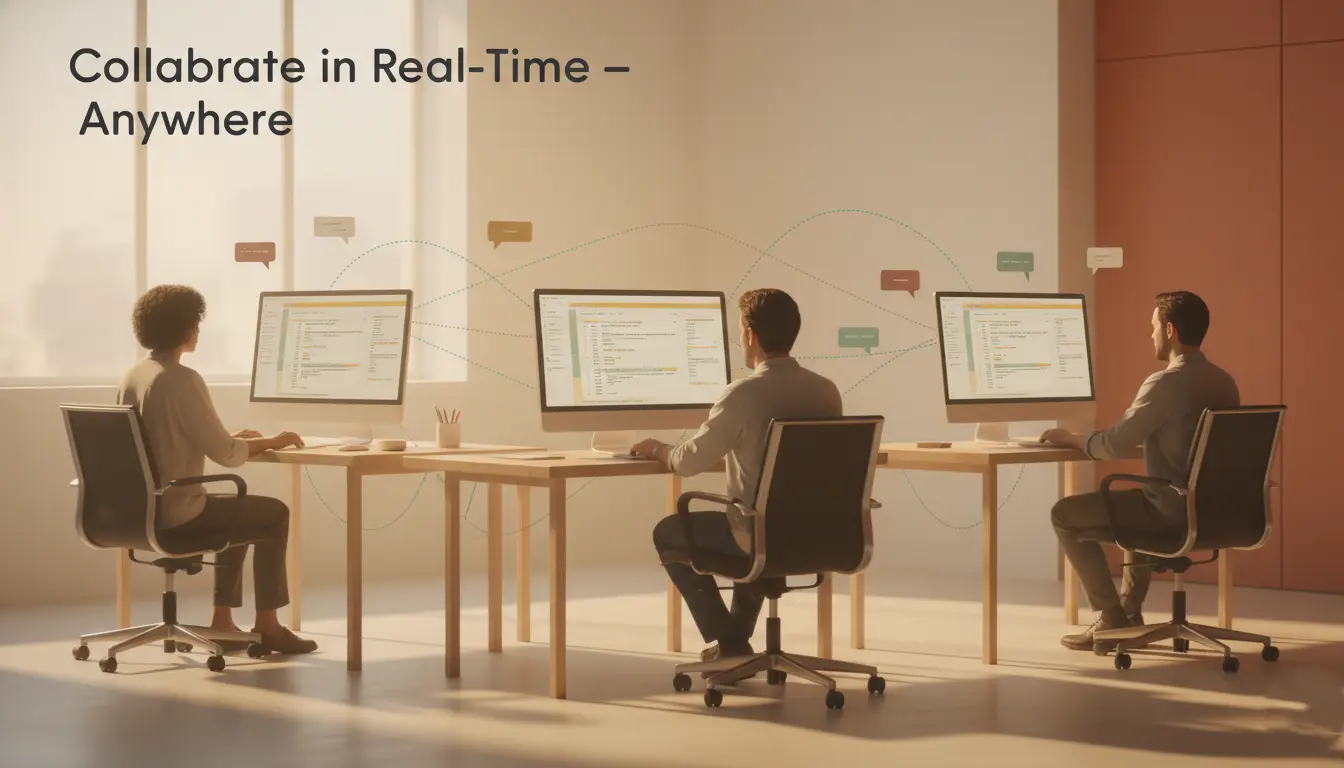
Cloud-based collaborative features allow multiple team members to access projects simultaneously, with real-time feedback loops, shared AI model training for custom workflows, and version control powered by AI to track changes. These collaborative capabilities prove essential for distributed production teams working across time zones and geographies, maintaining consistency without sacrificing velocity.
Creating Social Media Content at Scale
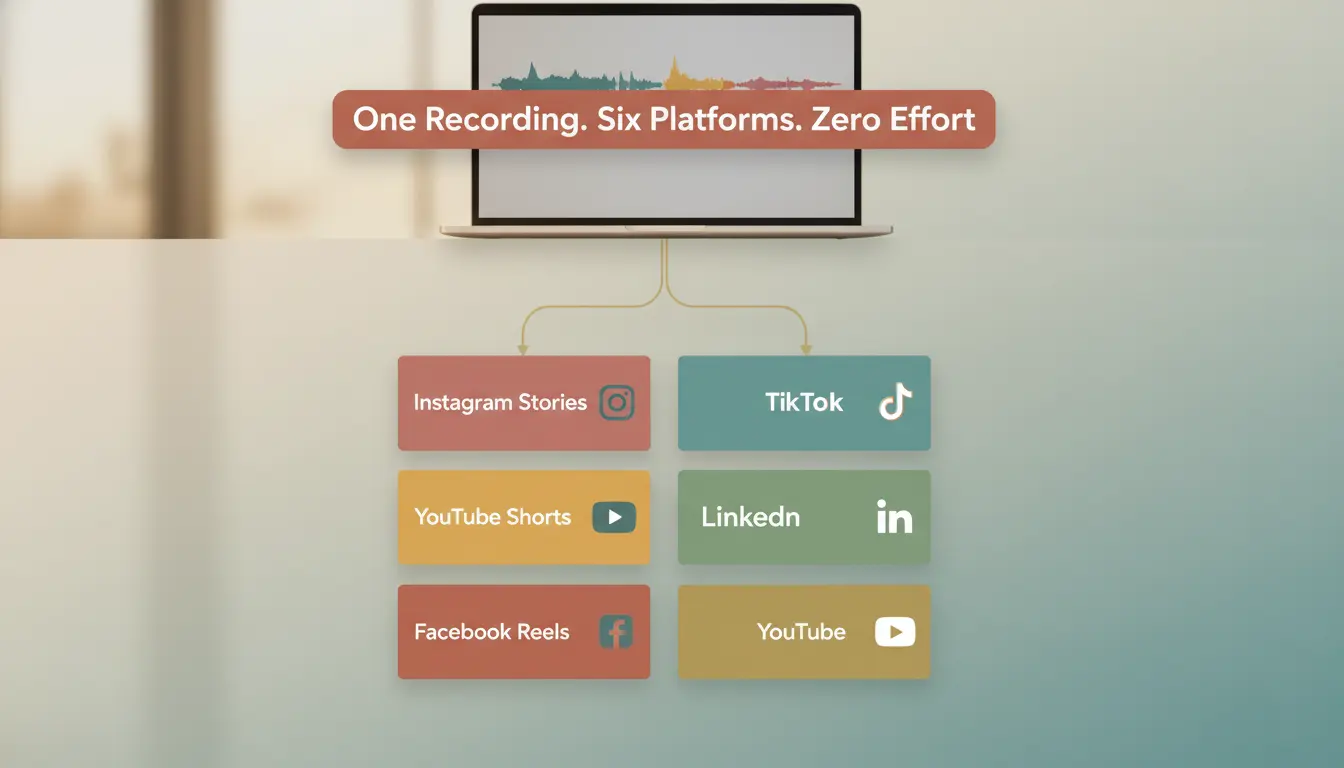
Text-based editing makes finding shareable moments ridiculously simple—scan transcripts for key points instead of rewatching entire recordings, select any section, and export as standalone clips ready for posting. Automatic resizing for Instagram Stories, TikTok, YouTube Shorts, and other vertical formats eliminates manual reformatting, while AI-generated captions optimized for sound-off viewing ensure accessibility and engagement.
Creators generate a week’s worth of social content from one lengthy recording by identifying quotable moments, emotional peaks, or valuable insights directly from the transcript. This scalability proves critical for production houses serving multiple clients or managing extensive content portfolios across platforms, as efficiency translates directly to profitability.
Advanced AI Capabilities Beyond Transcription
Modern platforms extend beyond basic text editing to offer AI voice synthesis that regenerates spoken audio when scripts change—using custom trained voices or stock options without requiring re-recording. Neural rendering techniques generate missing frames, enhance low-resolution footage without artifacts, and apply dynamic lighting effects based on scene context.
Multi-language support enables transcription and translation across 30+ languages instantly, helping creators reach global audiences with localized captions and dubbed content. These capabilities democratize high-end editing by eliminating expensive software requirements and specialized training barriers that previously limited professional-grade production to well-funded studios.
Implementation Strategy for Production Houses
Start with podcast editing and interview content where dialogue-heavy formats maximize text-based editing advantages before expanding to more complex visual storytelling. Train teams on platforms offering free tiers like Descript’s 1 media hour monthly allowance, allowing experimentation without financial commitment. As proficiency grows, scale to creator plans providing 10-30 media hours monthly with full AI tool access, 4K export capabilities, and unlimited stock media libraries.
Integration with existing workflows requires mapping current bottlenecks—identifying which repetitive tasks consume disproportionate time and testing whether AI automation delivers measurable improvements. Production houses generating volume content for regional markets find text-based editing particularly transformative, as reduced per-project costs enable broader experimentation with genres, talent, and distribution strategies without proportional risk increases.
Text-based video editing represents the most significant post-production advancement in decades, transforming labor-intensive technical processes into intuitive creative workflows accessible to anyone with a story to tell and the ambition to scale production efficiently.
FAQ’S
Q1: How accurate is AI transcription for video editing?
Leading platforms like Descript achieve up to 95% transcription accuracy, producing clean, ready-to-edit text with minimal manual corrections required.
Q2: Can text-based editing replace traditional timeline editing completely?
Text-based editing handles 70% of editing tasks, but precision timeline editors remain available for fine-tuning timing, effects, and advanced audio mixing.
Q3: Which platforms offer the best text-based video editing in 2026?
Descript, VEED, Pictory AI Studio, and Renderforest lead the market with AI transcription, automated editing, and collaborative cloud-based workflows.
Q4: How much time does text-based editing save compared to traditional methods?
AI-powered text editing reduces post-production time by 50-70%, cutting projects that took weeks down to days with comparable quality output.
Q5: Does text-based editing work for non-dialogue content like music videos?
Text-based editing works best for dialogue-heavy content like interviews, podcasts, and corporate videos; visual-only content still requires traditional timeline editing.