

Micro-Drama Hook Science: What Makes Viewers Click in the First 3 Seconds
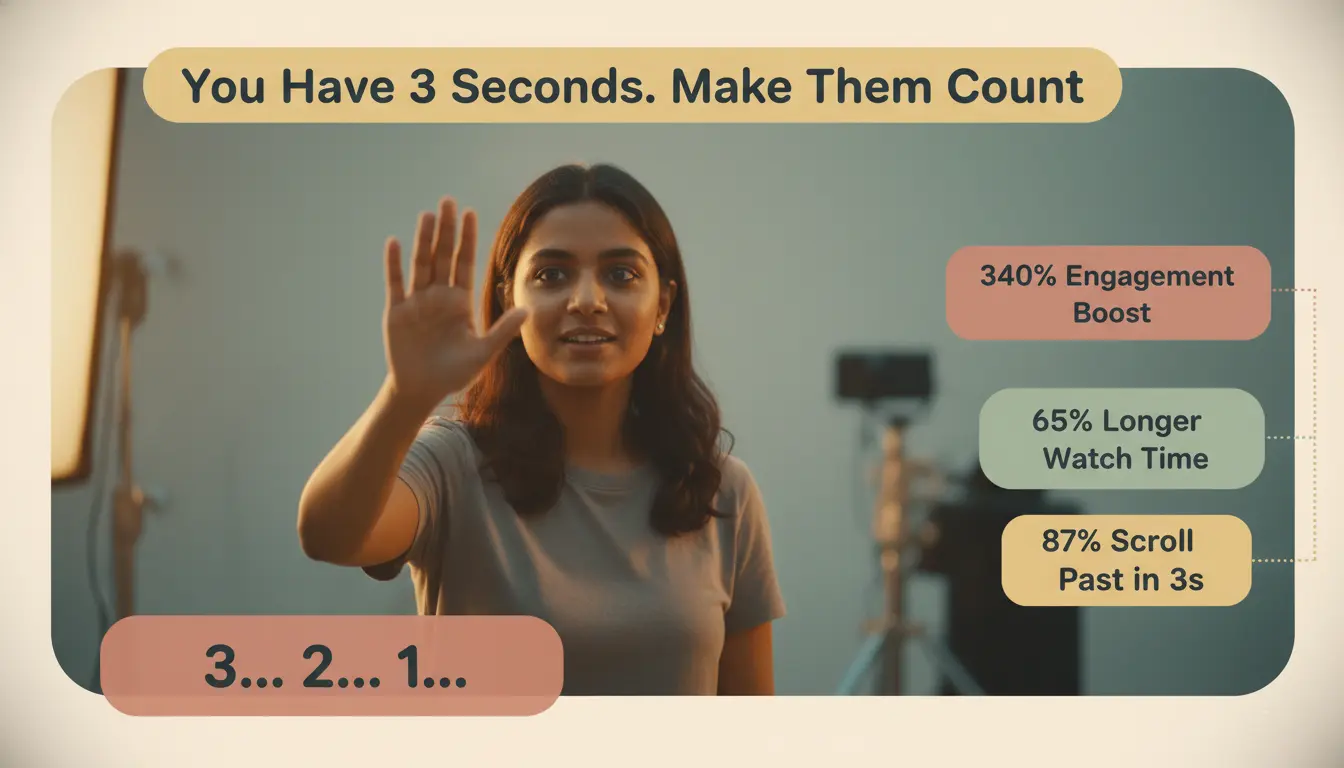
87% of viewers will scroll past your video within 3 seconds, but mastering the opening hook can increase engagement rates by 340% and extend average watch times by 65%. The difference between algorithmic obscurity and viral success hinges on a single critical decision: what psychological triggers, visual patterns, and audio elements you deploy in those first three seconds to stop the scroll and command attention.
The Neuroscience Behind Instant Engagement
Micro-dramas succeed by activating the brain’s dopamine pathways through fast pacing and emotional cues that trigger the reward system linked to pleasure and motivation. Each opening delivers a quick psychological payoff—a shocking expression, mysterious dialogue, or visually intriguing scene—that creates anticipation for the next reward, reinforcing the habit of continued viewing.
This reward loop mirrors how brains respond to social media notifications or game achievements, releasing small dopamine bursts when predicting satisfying outcomes. The first 3 seconds must establish this implicit promise, with videos that nail the opening seeing about 60% more total retention and significant algorithmic boosts on TikTok and Meta. TikTok data reveals 63% of top-performing ads deliver their core message within three seconds, while Facebook shows nearly half of viewers who stay three seconds will watch thirty.
Decoding Hook Effectiveness vs. Retention
Hook strength measures entry willingness, while retention measures satisfaction fulfillment—these represent separate psychological commitments. Videos achieving 96% first-3-second engagement can collapse to just 13% retention when content violates the implicit contract the hook established. Conversely, videos with modest early engagement (40-50%) but high retention (85%+) demonstrate audiences self-selecting for content depth over entry novelty.
The strategic insight: design hooks as promises that qualify audiences rather than maximize raw click-through. Education-focused micro-dramas with moderate hooks (0.60-0.70 range) consistently achieve 85%+ retention by attracting solution-oriented audiences, while entertainment videos with high hooks (0.85+) show volatile retention (0.12 to 0.86), indicating audience qualification issues.
Five Proven Hook Frameworks
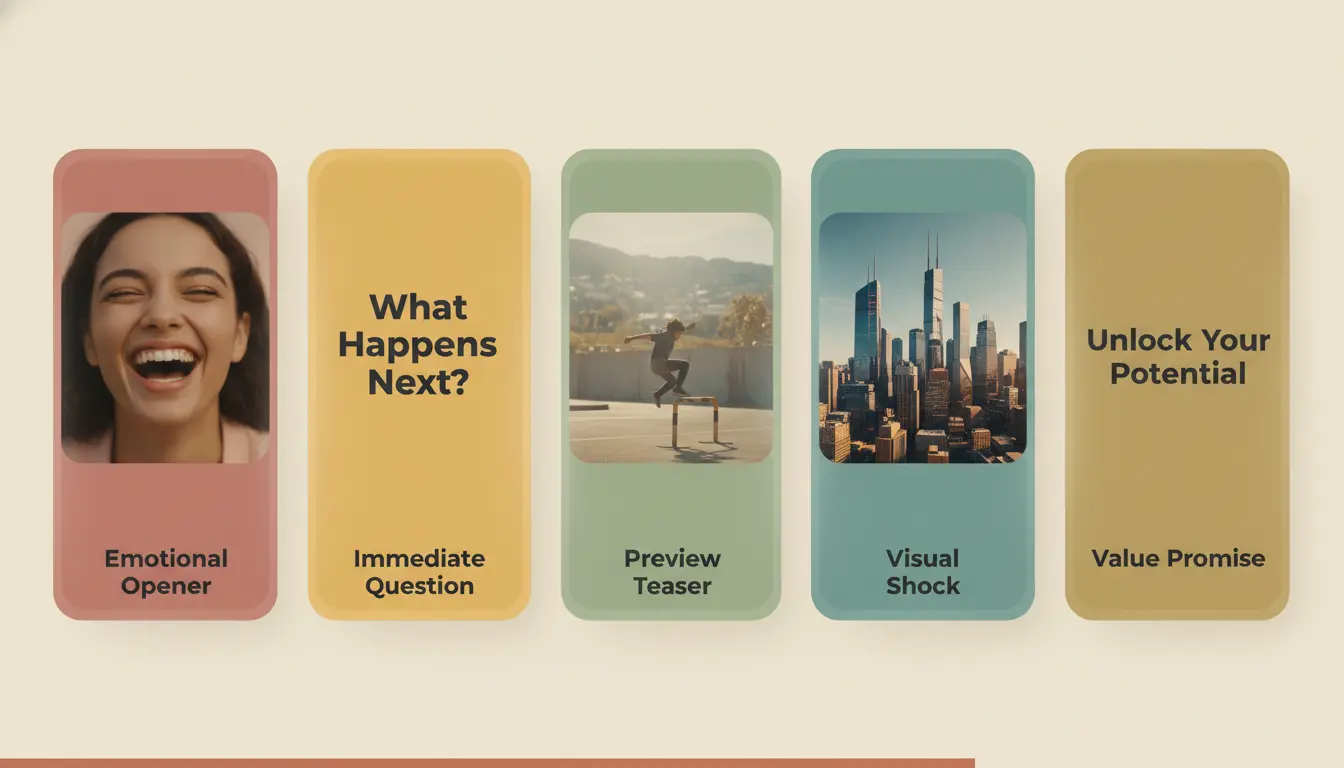
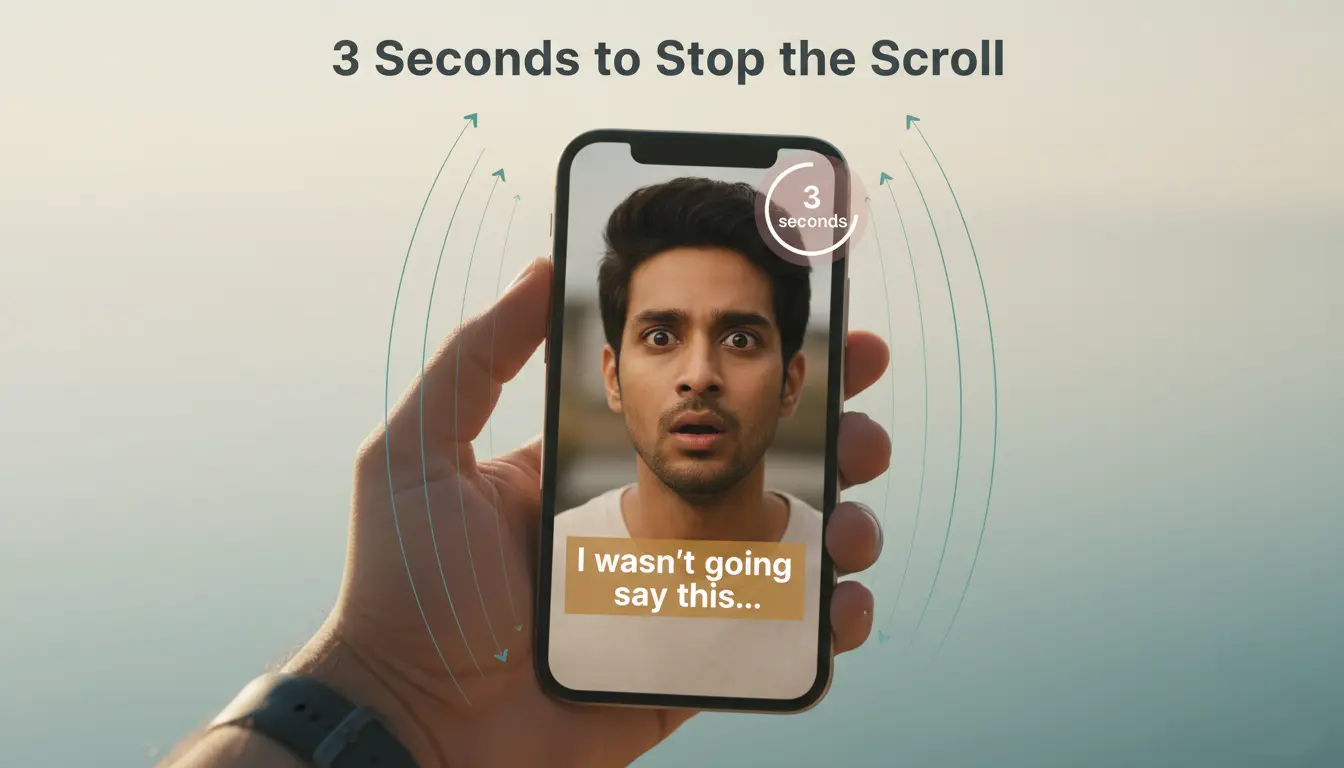
The Emotional Opener: Start with personal confession or bold feeling using lines like “I wasn’t going to say this…” or show a strong facial reaction in the first second to establish instant empathy. Facial expressions and text overlays convey meaning without sound, enhancing clarity and increasing watch time across platforms where 80% of viewers watch on mute.
The Immediate Question: Pose a compelling problem within the first second—”Why do 99% fail at this?” or “The mistake everyone makes with…”—to signal narrative tension demanding resolution. This framework works exceptionally well for educational micro-dramas or mystery-driven content.
The Preview Teaser: Show the climactic or most exciting moment from later in the episode as your opening frame, then cut to “Let me show you how this happened”. This inverted narrative structure exploits how vertical cinema captivates audiences through emotional payoff promises.
The Visual Shock: Deploy striking visuals, shocking expressions, or visually intriguing scenes that create pattern interrupts in the scroll feed. Micro-dramas opening silently lose 40% of potential viewers immediately, so layer intentional audio—a sound effect, dialogue establishing character, or musical underscore telegraphing emotional tone.
The Value Promise: Use direct, functional framing like “Here’s how to fix X in 60 seconds” instead of curiosity manipulation. These hooks achieve 84-94% retention by attracting audiences prioritizing immediate value delivery, creating the evergreen content pattern that accumulates watch time consistently over 30-90 days.
Audio Architecture for the First 3 Seconds
Professional micro-drama sound design architects the audio hook across three simultaneous layers: a sound effect for immediate attention-grabbing, dialogue or voice-over establishing character perspective, and musical underscore telegraphing emotional tone. This layered approach prevents the 40% viewer loss that silent openings create.
The strategic sound choice signals genre expectations instantly—suspenseful strings for thriller content, upbeat percussion for comedy, or ambient tension for drama. TikTok and Instagram algorithms prioritize videos with strong audio engagement in the first seconds, making sound strategy as critical as visual composition for algorithmic distribution.
The Mini-Climax Structure
Effective micro-drama hooks follow a precise temporal structure: the first 3 seconds deploy the attention-grabbing hook—mysterious dialogue, shocked expression, or visually intriguing scene—while the next 15 seconds deliver a mini-climax that fulfills the opening promise. This 18-second structure capitalizes on the psychological principle that viewers who stay past 3 seconds demonstrate 50% likelihood of watching to 30 seconds.
The Zeigarnik effect states people remember incomplete tasks better than completed ones, which micro-dramas exploit by ending episodes with unresolved tension. This creates mild cognitive discomfort—the brain naturally wants to “close the loop,” driving continued engagement even when episodes last only 30-180 seconds.
Optimizing for Platform-Specific Behavior
Vertical and mobile-first formats demand optimization for one-handed, on-the-move viewing where the first 3-5 seconds determine whether viewers commit or continue scrolling. Text overlays, bold captions, and visual storytelling that works sound-off prove essential since most social feeds autoplay silently.
Videos with weak hooks (0.20-0.26 hook strength) but high retention (84-94%) demonstrate the evergreen pattern where algorithmic distribution rewards sustained retention over viral velocity. These videos often surpass flashy viral content in total reach by accumulating watch time slowly but consistently, with algorithms interpreting sustained retention as quality signals.
Measuring and Iterating Hook Performance
Track hook rate (viewers who watch past 3 seconds) separately from hold rate (viewers who complete the video) to diagnose whether problems stem from weak openings or unsatisfying content delivery. A high hook rate with low hold rate indicates the content violated the opening promise, while low hook rates with high hold rates suggest the opening undersold compelling content.
Production houses creating regional content or volume-based series benefit from A/B testing multiple hook variations against identical content, using platform analytics to identify which psychological triggers resonate strongest with target demographics. This data-driven approach transforms hook creation from creative guesswork into systematic optimization.
FAQ’S
Q1: Why are the first 3 seconds so critical for micro-drama success?
87% of viewers scroll past videos within 3 seconds, but mastering this hook increases engagement by 340% and watch time by 65% through psychological triggers.
Q2: What’s the difference between hook rate and retention rate?
Hook rate measures viewers staying past 3 seconds (entry willingness), while retention measures completion rate (satisfaction fulfillment)—both require separate optimization strategies.
Q3: Which hook type performs best for micro-dramas?
Emotional openers with facial reactions, immediate questions posing problems, and preview teasers showing climactic moments deliver highest early engagement across platforms.
Q4: Should micro-drama hooks prioritize maximum clicks or audience qualification?
Design hooks as screening tools that qualify the right audience—videos with moderate hooks (0.60-0.70) achieve 85%+ retention by attracting solution-oriented viewers.
Q5: How important is audio in the first 3 seconds of micro-dramas?
Critical—silent openings lose 40% of potential viewers immediately, while layered audio (sound effect, dialogue, music) significantly boosts algorithmic distribution and retention.