

Audio-First Video Production: How Podcasts Are Becoming the New Scriptwriting Lab
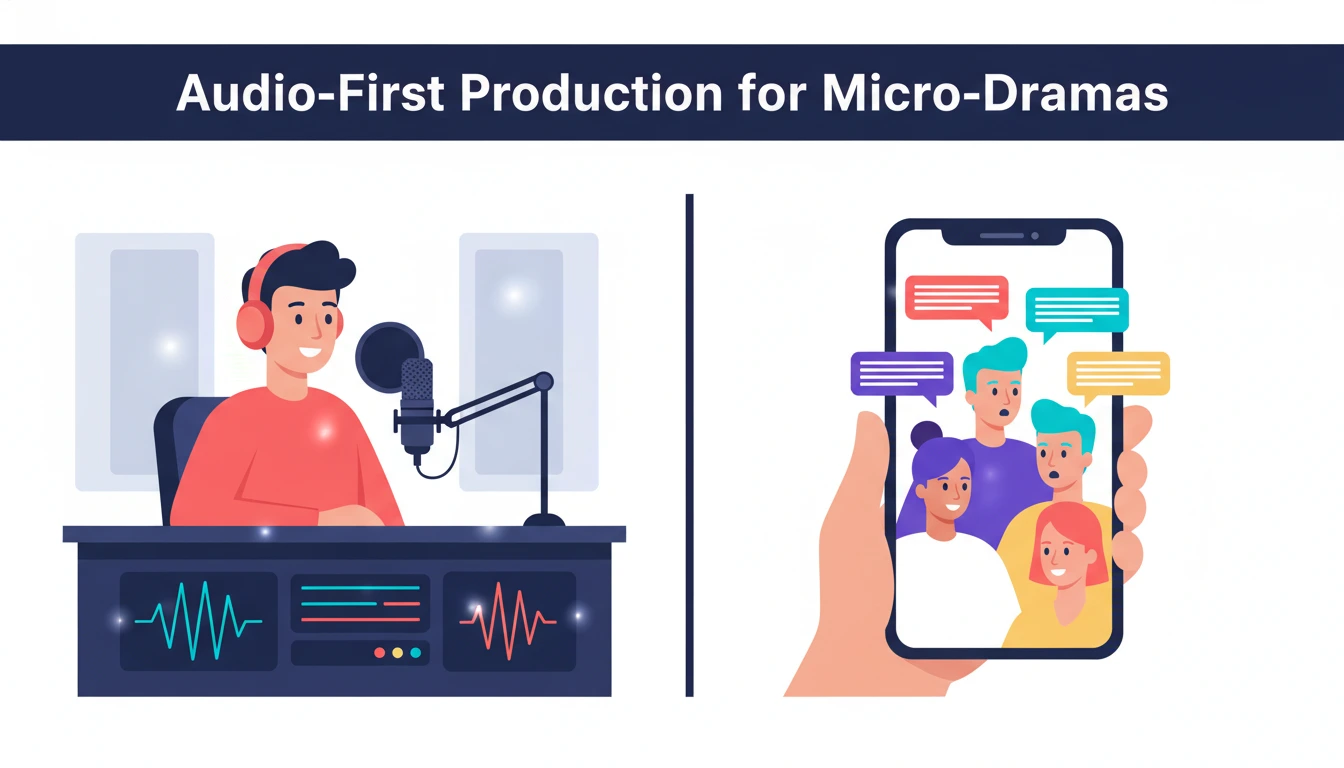
Podcasts are no longer just a distribution format; they are becoming a development engine for micro-dramas. In 2026, studios and creators are using audio-first workflows to test dialogue, pacing, emotion, and character chemistry before committing to full vertical video production, which makes podcasting a practical scriptwriting lab for short-form serialized stories. For Indian production houses, this is especially useful because micro-dramas depend on sharp hooks, fast conflict, and repeatable episode structures that can be refined through audio drafts before cameras roll.
Why Audio Leads Better Writing
Audio forces writers to focus on story essentials: voice, tension, rhythm, and clarity. Unlike visual scripts that can hide weak writing behind visuals, podcasts expose every pause, flat line, and pacing problem immediately. That makes the format ideal for early-stage micro-drama development, where episodes often run only 1 to 5 minutes and need to hook listeners fast.
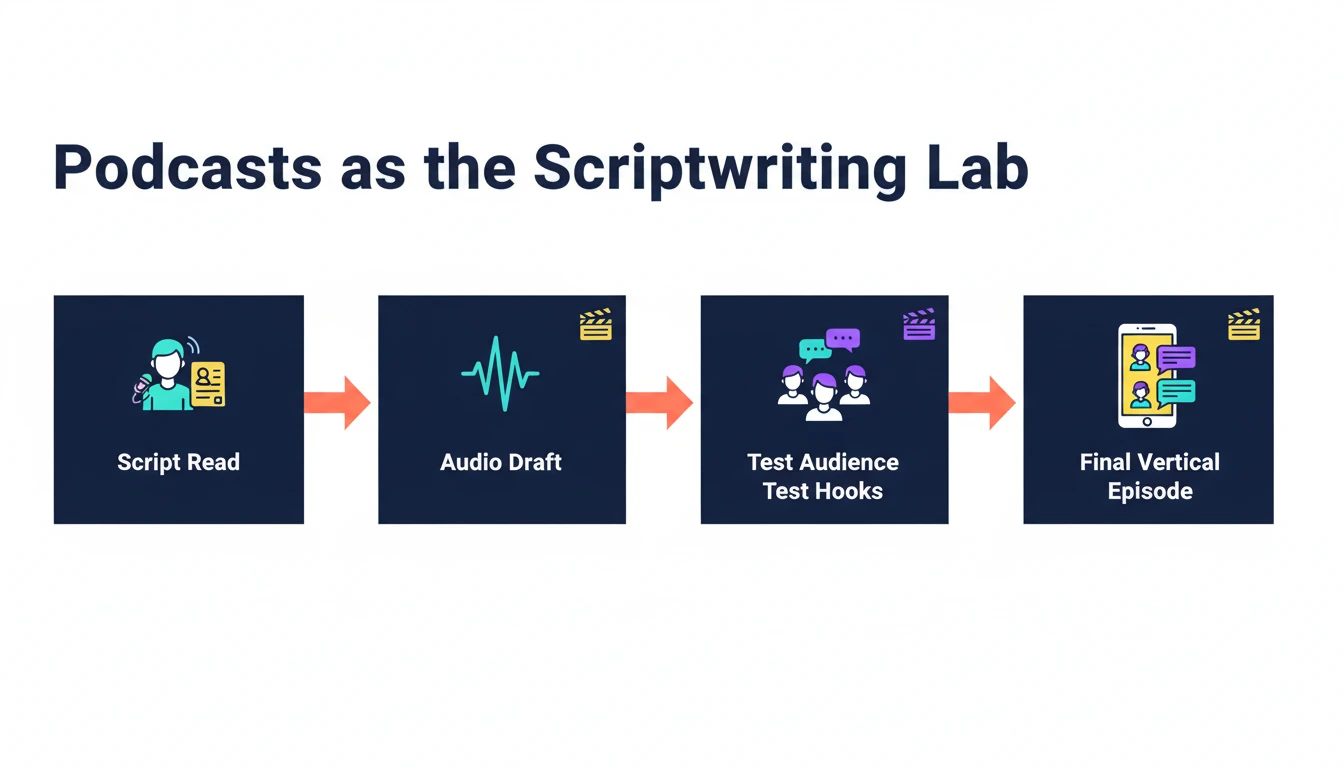
This approach also supports faster experimentation. A writer can record a rough scene, share it with a test audience, and learn which dialogue lands before investing in casting, set design, and post-production. For micro-drama production, that saves time and reduces risk because the core story is validated in audio form first.
The Podcast-to-Video Workflow
The strongest workflow starts with a podcast-style script read or audio drama draft, then moves into episode shaping, visual adaptation, and final vertical production. Writers can use the podcast version to test hooks, cliffhangers, and character reactions, then convert the best-performing scenes into micro-drama scripts. This is especially useful for dialogue-heavy genres like romance, family conflict, crime, and social drama, where emotional timing matters more than visual spectacle.
Studios can then adapt the audio-tested script into a mobile-first visual format using fast editing systems and AI voice cloning to localize across Indian languages. That makes the podcast stage a creative filter as well as a production shortcut.
Why This Matters for India
India’s micro-drama market is scaling quickly, and production houses need a repeatable way to create high-volume stories without sacrificing quality. Podcast-first development lets teams build and test multiple story concepts cheaply before expanding them into full vertical series. This matters even more in regional markets, where tone, dialogue, and cultural realism determine whether a story feels authentic.
It also creates a better path for talent discovery. Writers, actors, and hosts who perform well in audio can be advanced into video-led micro-dramas, giving studios a low-cost way to identify voices with strong emotional range and audience appeal. For brand integrations, that can help create more natural product placements because the character and story are already validated before monetization.
The Creative Advantage
Audio-first production encourages stronger writing because it removes the temptation to rely on visuals too early. It also helps teams build series with better rhythm, since podcast episodes naturally train writers to think in beats, not just scenes. Once the story works in audio, the visual version usually becomes cleaner, faster, and more emotionally direct.
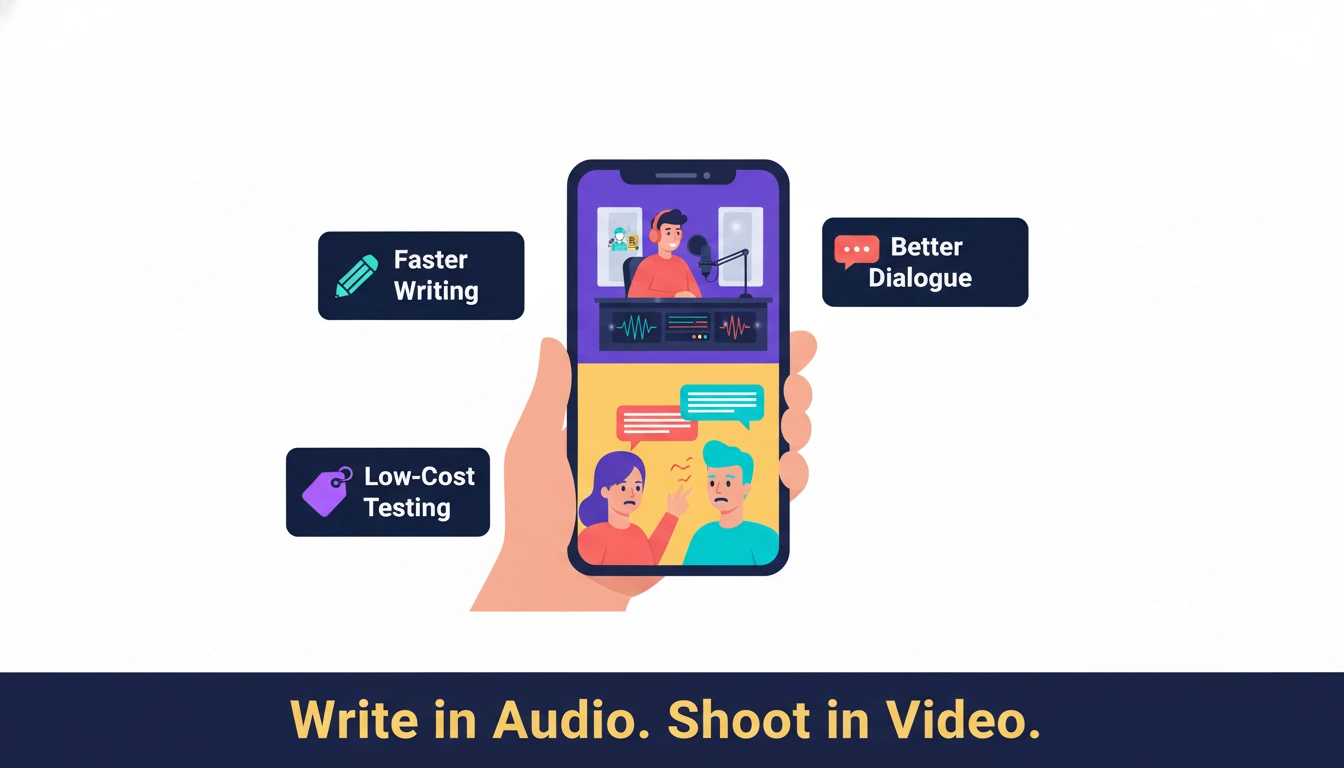
That is why podcasts are becoming the new scriptwriting lab for micro-dramas: they turn story development into a testable, iterative, low-cost process. In a market where speed and retention decide success, that advantage is too large to ignore.
FAQ’s
Q1: Why use podcasts before making a micro-drama?
Because audio reveals weak writing, pacing, and dialogue issues before expensive production begins.
Q2: What kinds of stories work best in audio-first development?
Dialogue-driven genres like romance, family drama, crime, and emotional conflict work especially well.
Q3: How does this save money for production houses?
It lets teams validate stories cheaply in audio before spending on casting, shooting, and editing.
Q4: Can podcasts help with regional micro-dramas?
Yes, audio testing is especially useful for checking language, tone, and cultural authenticity across regions.
Q5: How do podcasts connect to video production?
The best podcast scenes can be adapted into short, vertical micro-drama episodes after story testing.