

Building Micro-Drama Universes: Spin-offs, Sequels & Extended Story Arcs
Micro-dramas are evolving from one-and-done formats into sophisticated IP playgrounds where successful series spawn sequels, spin-offs, and extended universes—just like blockbuster film franchises but delivered in ultra-short, binge-able structures. StoryTV’s “Hacker King 2” demonstrates this maturation, treating micro-drama as a franchise opportunity where new arcs introduce fresh antagonists and deeper emotional stakes while maintaining the format’s core appeal. By owning libraries of interconnected titles, platforms keep users engaged longer through serialized storytelling that mimics how Instagram retains attention through continuous content feeds. This strategic IP development transforms production houses from content creators into universe builders, generating sustainable revenue through expanded narratives that convert casual viewers into dedicated franchise fans.
Why Micro-Drama Universes Drive Superior Retention
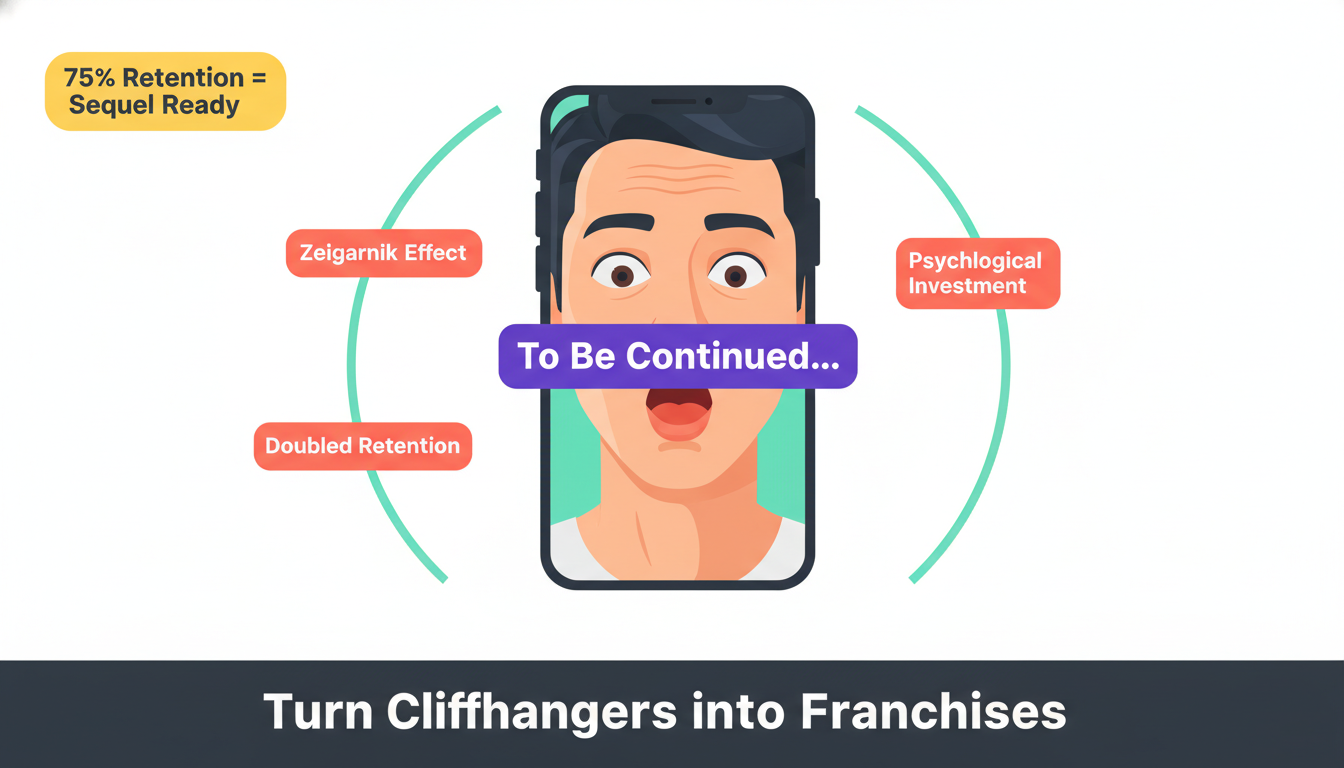
Serialized narratives create psychological investment through the Zeigarnik effect—people remember incomplete tasks better than completed ones—which micro-dramas exploit by ending episodes with unresolved tension that compels continued viewing. Each 60-90 second installment features compelling cliffhangers or narrative twists ensuring immediate progression to the next episode, with audiences who commit to the story locked into entire viewing sequences. This reliance on high-quality serialization differentiates dedicated micro-drama platforms from vast, uncurated social media feeds where content lacks narrative continuity.
Extended story arcs enable deeper character development impossible in standalone episodes, transforming simple concepts into complex emotional journeys that sustain engagement across 50-100 episodes. For regional language content where cultural specificity matters, franchise building allows producers to explore multiple facets of communities, relationships, and social dynamics that single-series formats cannot address. Platforms report doubled daily watch times following serialized content introduction, with users consuming entire franchises in single sessions when emotionally invested in character arcs.
The Franchise Development Roadmap
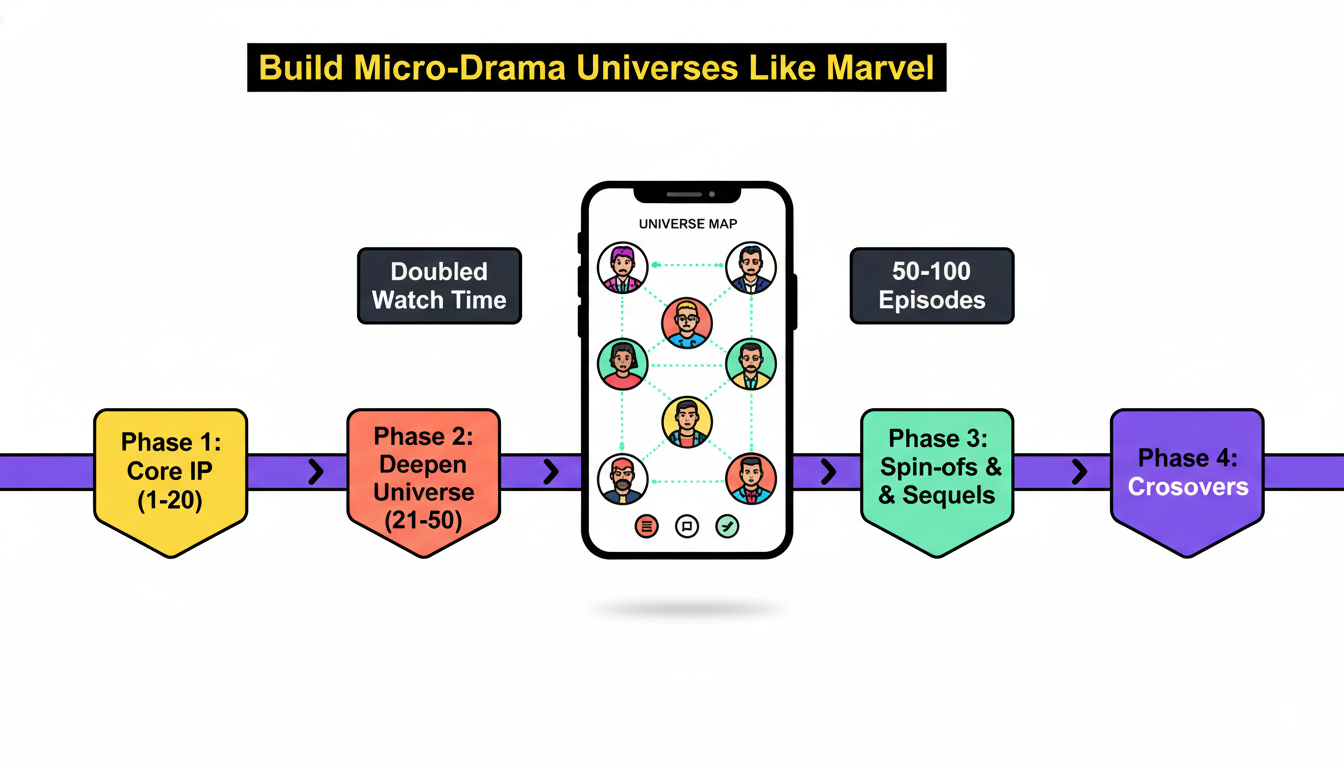
Phase 1: Establish Core IP (Episodes 1-20): Launch with a tight origin story establishing protagonist goals, antagonist threats, and emotional stakes viewers care about. Test 3-second hooks and narrative patterns across initial episodes, using retention analytics to identify which plot elements, character relationships, and emotional beats generate strongest engagement. This foundation phase proves the concept while building initial audience investment necessary for franchise expansion.
Phase 2: Deepen Universe (Episodes 21-50): Introduce supporting characters with backstories rich enough to support independent spin-offs, expand world-building details that create setting authenticity, and layer subplot threads that can branch into separate series. “Hacker King 2” exemplifies this strategy, returning with new antagonists and deeper stakes while maintaining the original’s ultra-short structure. This phase transforms simple stories into complex universes where multiple narrative threads coexist, creating natural spin-off opportunities.
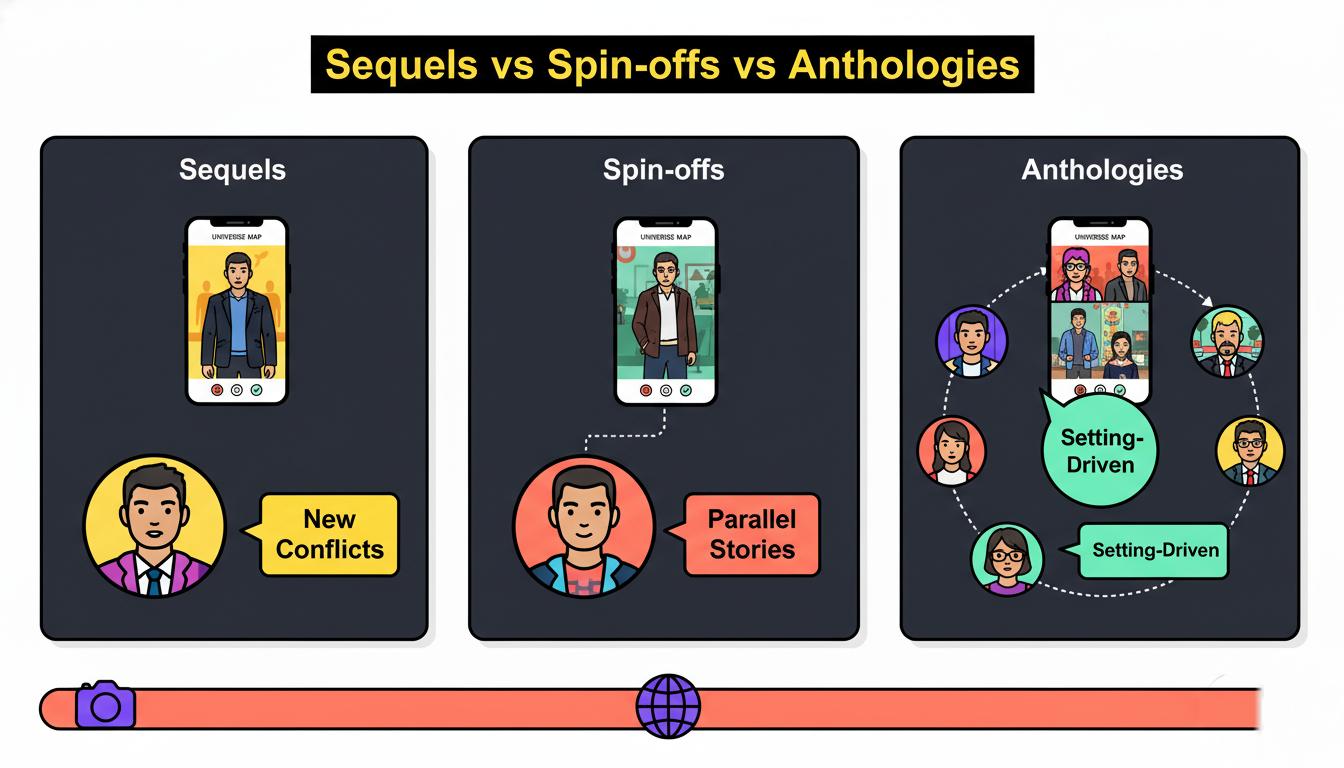
Phase 3: Launch Spin-offs and Sequels: Develop secondary character series exploring backstories or parallel timelines, create sequel series advancing original storylines with time jumps or new conflicts, and produce anthology series set in the same universe with different protagonists. Telemundo Studios’ vertical adaptation of hit series “Armas de Mujer” for ReelShort demonstrates how established IP transitions into micro-drama formats, leveraging existing brand recognition while reaching mobile-first audiences.
Phase 4: Cross-Promotion and Universe Building: Use episodic crossovers where characters from different series interact, create event episodes that require viewing multiple franchises to understand full story, and develop universe-level mythology that rewards dedicated fans consuming entire content libraries. This Marvel Cinematic Universe approach adapted to micro-drama scales engagement by transforming individual series into interconnected ecosystems.
Sequel vs. Spin-off: Strategic Selection
Deploy Sequels When: The original protagonist’s journey remains compelling with unresolved arcs, audience retention rates exceed 75% through series finales indicating strong investment, and viewer feedback explicitly requests continuation. Sequels work best for narrative-driven content where the central conflict contains multiple phases—a revenge journey spanning years, a business empire’s rise and fall, or a family saga across generations.
Deploy Spin-offs When: Secondary characters generate strong audience reactions and social media discussion, the original world-building creates multiple unexplored narrative territories, or demographic data shows subset audiences craving specific character perspectives. Spin-offs excel for ensemble casts where supporting characters possess sufficient depth to anchor independent series, particularly in regional content where linguistic and cultural variations enable localized spin-offs targeting specific communities.
Deploy Anthologies When: The setting or premise provides stronger IP than individual characters, you want to test multiple stars or creators within proven frameworks, or you’re building universe mythology that benefits from diverse perspectives exploring central themes. Crime procedurals, supernatural universes, and historical settings work particularly well as anthology frameworks.
Narrative Architecture for Extended Arcs
The Multi-Season Model: Structure franchises as seasons with 15-25 episode arcs, each building toward climactic finales that resolve immediate conflicts while establishing new questions driving next seasons. This television-inspired structure adapted to micro-format maintains binge-ability while providing natural pause points that prevent viewer fatigue. Quick TV’s pricing model—first ten episodes for ₹2 with subsequent batches at identical pricing—demonstrates how season structures monetize extended arcs through incremental unlocks.
The Branching Timeline: Create decision points where storylines split into parallel tracks exploring “what if” scenarios, allowing audiences to choose which timeline to follow. This interactive approach increases engagement by giving viewers agency, with analytics revealing which branches resonate strongest for future franchise development. The format particularly suits shoppable micro-dramas where different timelines showcase varied products naturally integrated into alternate story paths.
The Shared Universe Model: Develop multiple simultaneous series set in the same world where events in one affect others, creating appointment viewing for fans tracking interconnected storylines. This complexity rewards dedicated audiences while providing entry points for new viewers through any franchise installment. The model works exceptionally well for brand co-productions where consistent product integration across universe reinforces brand presence without repetitive messaging.
Character Development Across 50+ Episodes
Extended arcs enable transformation impossible in standalone content—protagonists evolve from naive beginners to seasoned experts, relationships progress through multiple conflict-and-resolution cycles, and antagonists reveal complex motivations that shift viewer sympathies. This depth converts casual viewers into emotionally invested fans who discuss theories, create fan content, and evangelize franchises organically. For production houses casting relatable faces over celebrities, character development creates parasocial relationships where audiences feel personally connected to protagonists’ journeys.
Structure character arcs using the Three-Act Framework compressed into micro-format: Act One establishes character in their ordinary world (Episodes 1-15), Act Two introduces escalating conflicts forcing growth (Episodes 16-40), and Act Three delivers transformation and resolution while planting seeds for sequels (Episodes 41-50+). This classical structure maintains narrative satisfaction while enabling infinite expansion through sequel acts that restart the cycle at higher stakes.
Platform Strategy for Universe Building
Dedicated micro-drama apps provide critical advantages over social media distribution for franchise content—full control over monetization, customer relationships, and recommendation algorithms that prioritize franchise continuity. TikTok Minis challenges this model by offering one-stop-shop discovery where producers leverage TikTok’s vast audience for testing without marketing expenses, but risks training viewers to consume all vertical content on TikTok rather than franchise-specific apps. The hybrid approach distributes narrative hooks and teasers across TikTok, Instagram, and YouTube Shorts to spark interest while keeping full franchises exclusive to dedicated apps.
Zee5, MX Player, Hoichoi, and ShareChat launched micro-drama apps adding fresh momentum to India’s short-form video market, with each platform developing exclusive franchises that differentiate their offerings. This exclusivity creates competitive moats—audiences subscribe to specific platforms for beloved franchises unavailable elsewhere, similar to how Netflix originals drive streaming subscriptions. Production houses can negotiate better terms when delivering franchise IP with proven audience retention rather than standalone series requiring platform marketing investment.
Monetization Through Franchise Expansion
Sequential Unlocks: Offer first season free to build audience investment, then charge micro-transactions (₹2-10) for subsequent season unlocks. This freemium model reduces acquisition costs while monetizing engaged users willing to pay for continuation of stories they’re emotionally invested in.
Premium Spin-offs: Make core franchise freely available while charging for spin-off series exploring secondary characters or alternate timelines. This tiered approach maximizes reach through free content while generating revenue from superfans craving universe expansion.
Merchandise and Brand Extensions: Develop shoppable elements where franchise-specific products—character clothing, signature items, universe-themed accessories—integrate naturally into extended storylines. Long-running franchises build brand equity enabling merchandise revenue streams impossible with standalone series.
Event Episodes and Crossovers: Charge premium pricing for universe-level event episodes where multiple franchise characters interact, creating must-see moments for dedicated fans. These tentpole episodes generate buzz while monetizing at higher rates than standard installments.
AI-Assisted Universe Scaling
AI voice cloning enables rapid localization of entire franchises across 10+ regional languages, exponentially expanding addressable audiences without proportional production cost increases.
Text-based editing compresses post-production timelines by 70%, enabling simultaneous development of multiple franchise installments that maintain consistent release schedules. Generative AI assists with narrative continuity tracking across 50+ episodes, suggesting plot threads for spin-offs based on audience engagement data, and optimizing cliffhanger placement for maximum retention.
Smart recommendation engines analyze viewing patterns to automatically suggest franchise progression paths—serving spin-offs to viewers who engage strongly with specific characters or recommending anthology episodes matching demonstrated genre preferences. This personalization increases franchise consumption while preventing viewer fatigue from linear progression requirements.
Genre Expansion Beyond Romance
While romance dominates current micro-drama landscapes, Hollywood streamers and emerging producers experiment with true crime, thrillers, animation, and other genres to attract broader audiences. Fox’s investment in Holywater and MicroCo’s launch backed by media veterans signal belief that elevated formats can work across genres while maintaining commercial viability. For Indian producers, mythology, family sagas, social dramas, and regional folklore provide culturally resonant alternatives to romance-heavy catalogs.
Genre diversification enables multi-demographic targeting where romance franchises serve one audience segment while crime or thriller universes attract different viewers—all monetizing through unified platform infrastructure. This portfolio approach spreads risk while identifying which genres and universe types achieve superior retention and monetization in specific regional markets.
Building micro-drama universes transforms ephemeral content into enduring IP assets that generate compounding returns through franchise expansion, audience loyalty, and monetization opportunities impossible in standalone formats.
FAQ’S
Q1: How many episodes should a micro-drama have before launching sequels?
Establish 15-25 episode foundation proving concept and building audience investment, then launch sequels when retention exceeds 75% and viewer feedback explicitly requests continuation.
Q2: What’s the difference between micro-drama sequels and spin-offs?
Sequels continue the original protagonist’s journey with new conflicts; spin-offs explore secondary characters or parallel storylines within the same universe independently.
Q3: How do extended story arcs impact viewer retention rates?
Serialized narratives with cliffhangers and character development lock viewers into entire sequences, with platforms reporting doubled daily watch times for franchise content.
Q4: Should micro-drama franchises be platform-exclusive or distributed widely?
Hybrid strategy works best—distribute hooks on TikTok/Instagram for discovery while keeping full franchises exclusive to dedicated apps for monetization control.
Q5: How does AI help scale micro-drama universe production?
AI voice cloning enables 10+ language versions, text-based editing cuts post-production 70%, and generative AI tracks continuity across 50+ episodes while suggesting spin-off opportunities.