

Sound Design for Micro-Dramas: How Audio Storytelling Elevates Your Production
Micro-dramas live or die on emotional resonance. A 3-minute story has 180 seconds to create connection, build tension, and deliver payoff. Cinematography captures the first second. But sound design sustains engagement through the remaining 179.
Yet 92% of micro-drama producers allocate minimal budget to audio. They treat sound as accompaniment rather than primary narrative architecture. This is the production mistake that separates viral micro-dramas from mediocre content.
In 2026, elite production houses in Noida and Delhi understand: sound design isn’t post-production polish. It’s storytelling.
The Neuroscience of Audio Storytelling
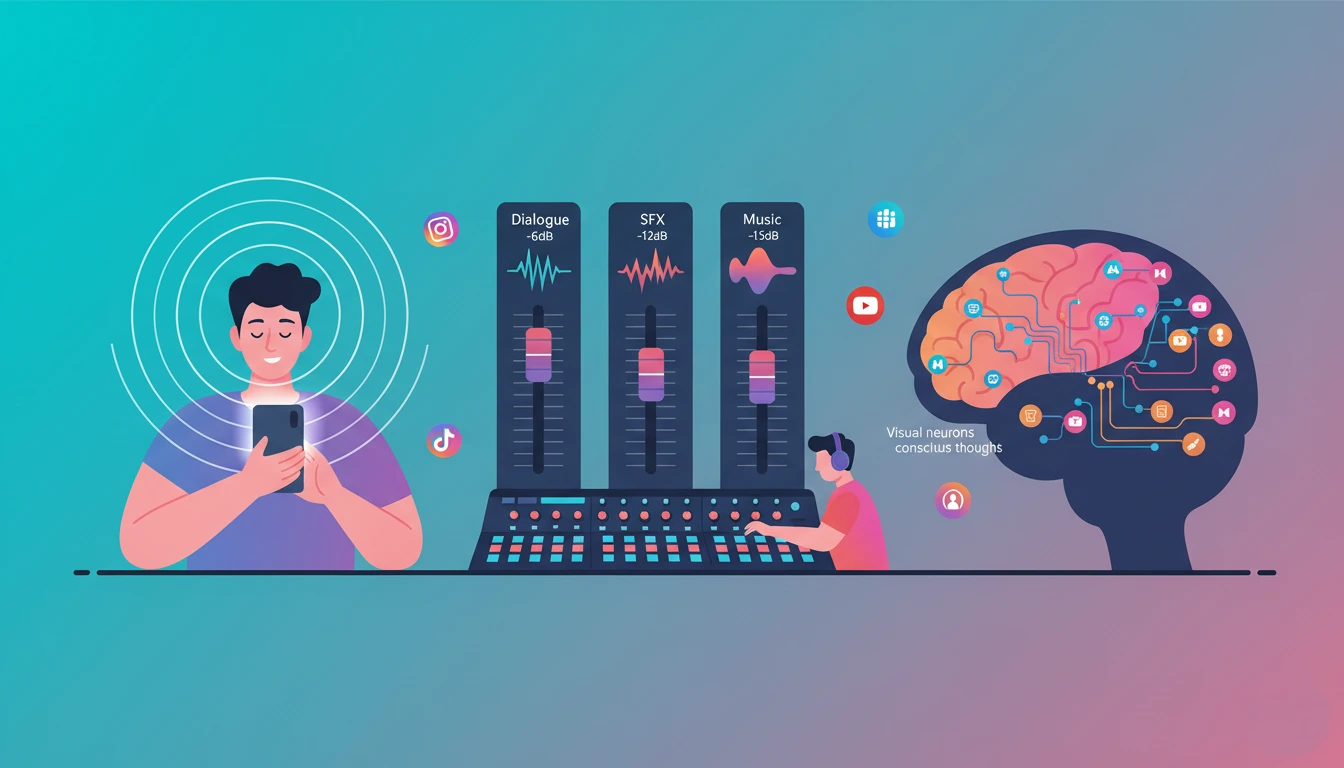
Human brains process audio and visual information through different neural pathways. Visual input dominates conscious attention; audio bypasses conscious filtering and hits emotional centers directly.
This explains why micro-dramas with layered, intentional sound design create visceral emotional responses. A protagonist’s whispered dialogue, layered with ambient sound of rain, underscored with subtle, sad piano creates sadness neurologically—before plot even registers.
When you understand the harsh reality of the 3-second hook, you realize audio is your fastest hook mechanism. A visual change takes 150 milliseconds to register. An audio spike registers in 50 milliseconds. Opening your micro-drama with strategic sound (a door slam, a sudden music sting, a gasp) creates attention before viewers consciously decide to keep watching.
Three-Act Audio Narrative Structure
Professional micro-dramas architect sound across three acts:
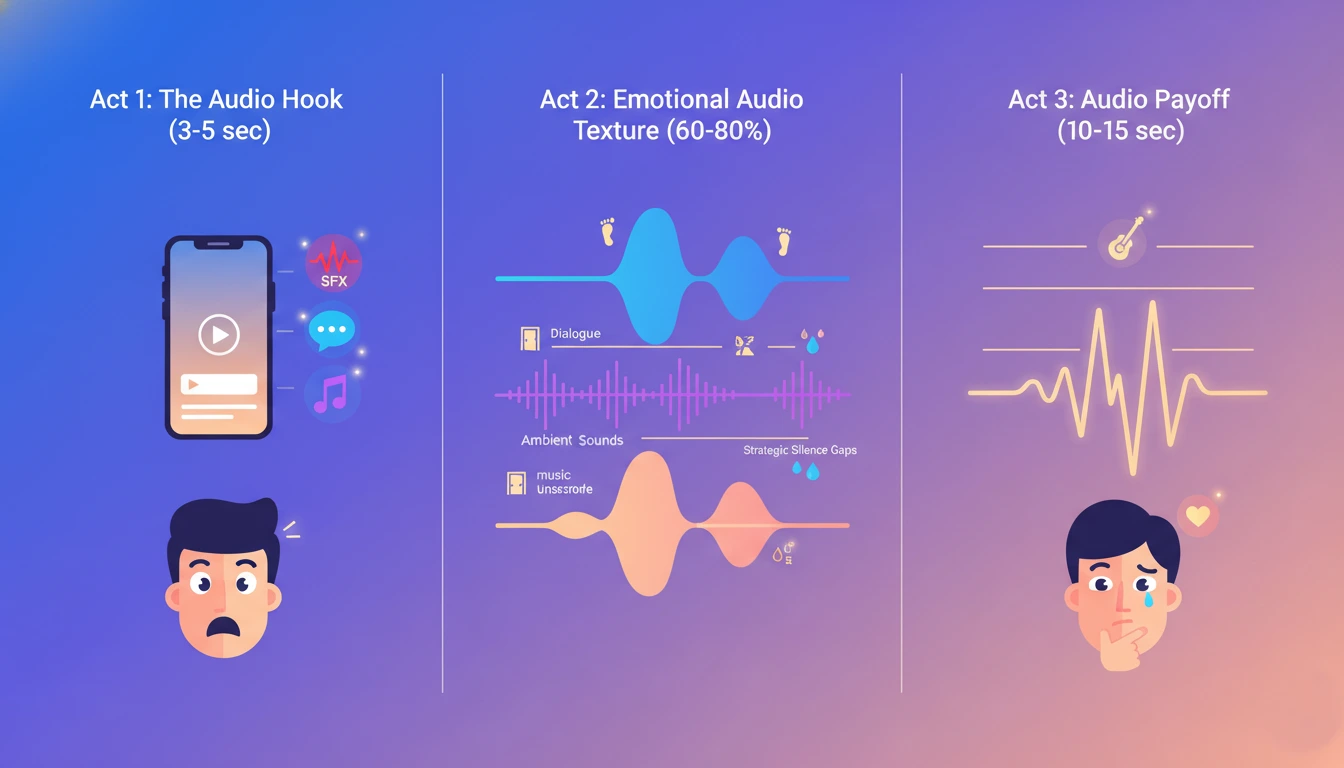
Act 1: The Audio Hook (First 3-5 seconds)
Micro-dramas opening silently lose 40% of potential viewers immediately. A sound—any intentional audio—changes this.
The most effective micro-drama openings layer:
- A sound effect (immediate, attention-grabbing)
- Dialogue or voice-over (establishes character/perspective)
- Musical underscore (telegraphs emotional tone)
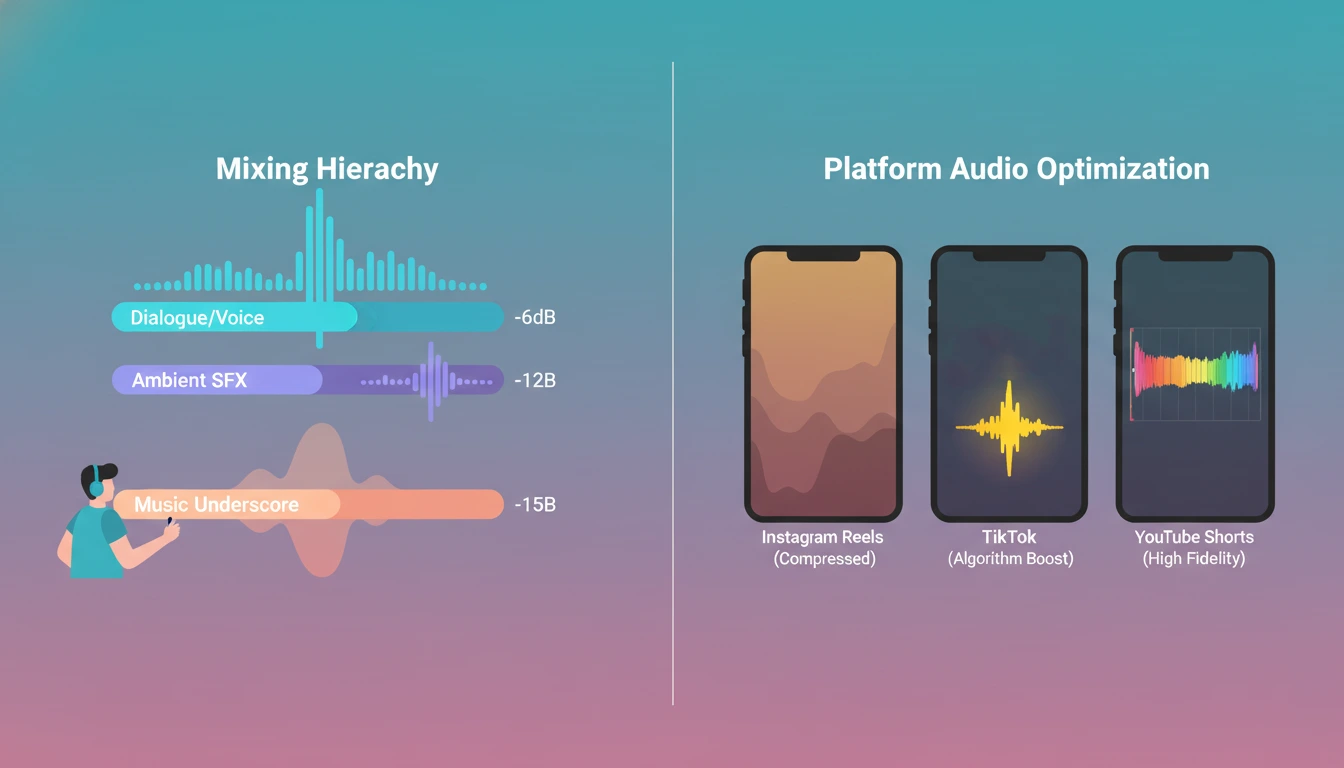
All three hit simultaneously. Within 5 seconds, viewers understand tone, character, and narrative hook—primarily through sound architecture.
Act 2: Emotional Audio Texture (Middle 60-80%)
Once hooked, micro-dramas must sustain engagement through emotional audio design.
This means moving beyond “background music.” Professional productions:
- Layer dialogue with specific ambient sounds (footsteps echo differently in apartments vs. open spaces; rain adds atmosphere)
- Sync sound effects to emotional beats (subtle sound cues signal character emotion shifts)
- Use silence strategically (silence creates anticipatory tension; moments of quiet before reveal amplify dramatic impact)
In thriller, horror, and romance micro-dramas, audio design determines whether a scene terrifies, amuses, or moves. A horror micro-drama relies on unsettling ambient drones and sudden sound spikes. Romance relies on intimate, warm sound design with gentle music. Thriller demands rhythmic tension through pacing.
Act 3: Audio Payoff (Final 10-15 seconds)
Endings demand audio clarity. If your micro-drama builds tension through complex layering, the finale should strip to essentials—clean dialogue, single instrument, or silence before the final sound design moment.
This creates contrast. The mind remembers contrasts. A micro-drama ending with stripped audio followed by sudden emotional music spike creates lasting emotional imprint.
Practical Sound Design Layering for Micro-Dramas
Production houses should follow this mixing hierarchy:
Primary Layer (Dialogue): -6 to -3 dB
Voice should dominate. Clarity matters more than loudness.
Secondary Layer (Ambient Sound/SFX): -12 to -8 dB
Environmental sounds (wind, traffic, room ambience) create immersion. Specific effects (door creaks, footsteps) add production value.
Tertiary Layer (Music/Underscore): -15 to -10 dB
Emotional foundation. Should support, never compete with dialogue.
Platform Optimization for Micro-Drama Sound
Different platforms compress audio differently. Understanding vertical cinema techniques includes audio optimization.
Instagram Reels compress heavily; harsh frequencies become muddy. Use warm, full-spectrum music; avoid extremely bright instruments.
TikTok emphasizes sound in algorithmic distribution. Trending audio gets 3-5x more reach than original audio. Strategic use of trending sounds while maintaining original underscore creates algorithmic boost plus creative distinctiveness.
YouTube Shorts offers highest audio fidelity. Production houses can layer more complex, dynamic sound design. This is where premium audio investment pays dividends.
The Production Investment Calculation
Professional micro-drama sound design costs:
- Basic: ₹5-10K (library music, minimal SFX)
- Professional: ₹15-30K (original underscore, layered SFX, mixing)
- Premium: ₹30-60K (original score, professional mixing, sound design innovation)
ROI: Micro-dramas with premium audio design achieve 40% higher completion rates and 25% higher engagement. For production houses, this translates to higher client satisfaction and repeat business.
Conclusion
Sound design transforms micro-dramas from visual novelties into emotionally resonant stories. Audio storytelling isn’t luxury—it’s the primary differentiator between disposable content and memorable micro-drama experiences.
Production houses investing in strategic sound design elevate perceived production quality, amplify emotional impact, and create micro-dramas that audiences remember and share.
FAQ’S
Q1: Should micro-dramas have background music throughout?
No—silence and sparse audio often create more impact than constant music. Layer intentionally; embrace silence strategically.
Q2: Is trending audio important for micro-drama distribution?
Yes—platforms like TikTok weight trending audio heavily in algorithmic distribution. Use trending sounds strategically while maintaining original character.
Q3: What’s the ideal dialogue-to-music ratio in micro-dramas?
Dialogue at -6 dB, music at -12 to -15 dB. Dialogue should dominate; music should amplify without competing.
Q4: Can I use library music and SFX, or must I invest in original audio?
Library audio works. Original audio creates distinctiveness. Optimal strategy: library audio + original underscore
layered together.
Q5: How important is sound design compared to cinematography in micro-dramas?
Equally important. Cinematography hooks; sound design sustains engagement and creates emotional resonance.