

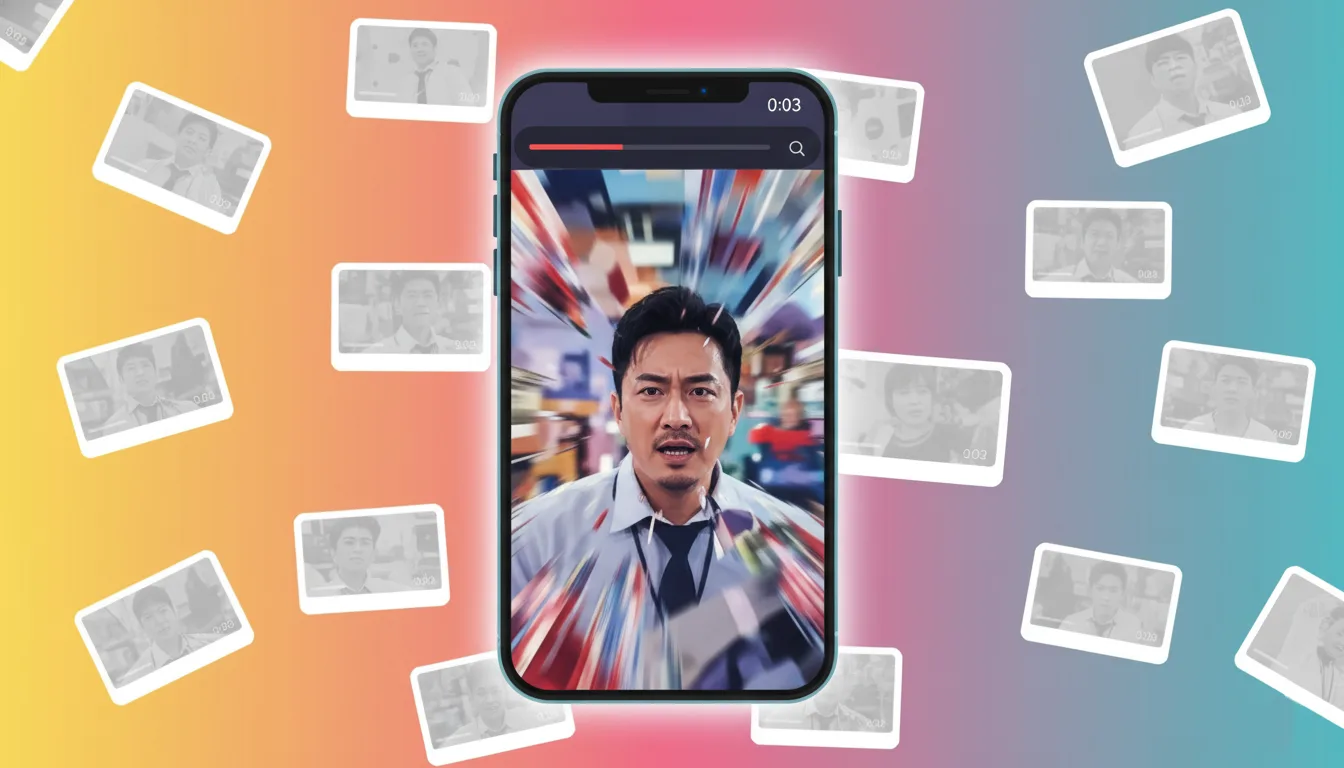
The Harsh Reality: You Have 3 Seconds (Actually, Less)
Here’s the uncomfortable truth about digital content in 2026: 87% of viewers will scroll past your video within 3 seconds. That’s less time than it takes to read this sentence.
But here’s the opportunity: videos that master the 3-second hook see 340% higher engagement rates and 65% longer average watch times. The difference between a video that vanishes in the algorithmic void and one that goes viral often comes down to a single decision: what happens in those first three seconds.
This isn’t a creative opinion. It’s neuroscience. The human brain processes visual information in just 13 milliseconds but needs 2-3 seconds to decide whether content deserves continued attention. Social media has trained audiences to make split-second decisions with infinite alternatives.
For production teams creating micro-dramas, this 3-second window isn’t a constraint—it’s the most critical creative decision you’ll make.
Understanding the Platform Specifics: Hook Windows Vary
Not all platforms weight the 3-second rule equally, though all are ruthless about initial engagement.
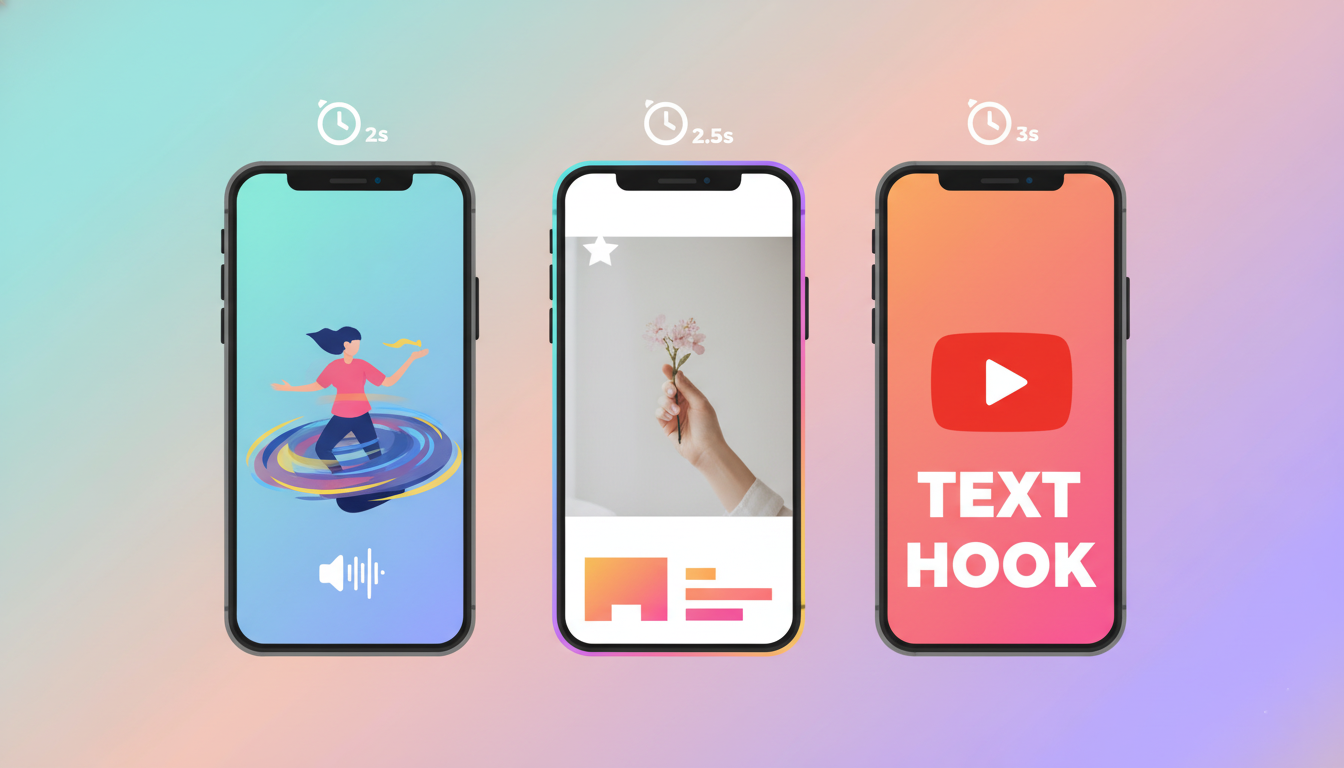
Instagram Reels: The 2.5-Second Aesthetic Window
Reels optimize for vertical viewing and typically provide 2.5 seconds before scroll-away decisions. Aesthetic appeal matters here more than raw action. Visual composition, color palette, and Instagram’s native effects signal quality within milliseconds.
YouTube Shorts: The 3-Second Value Proposition
Shorts give you the most generous window: 3 full seconds. Use it to establish clear value: “What will I learn?” or “Why should I keep watching?” This extra second allows for more nuanced opening setups compared to purely action-first approaches.
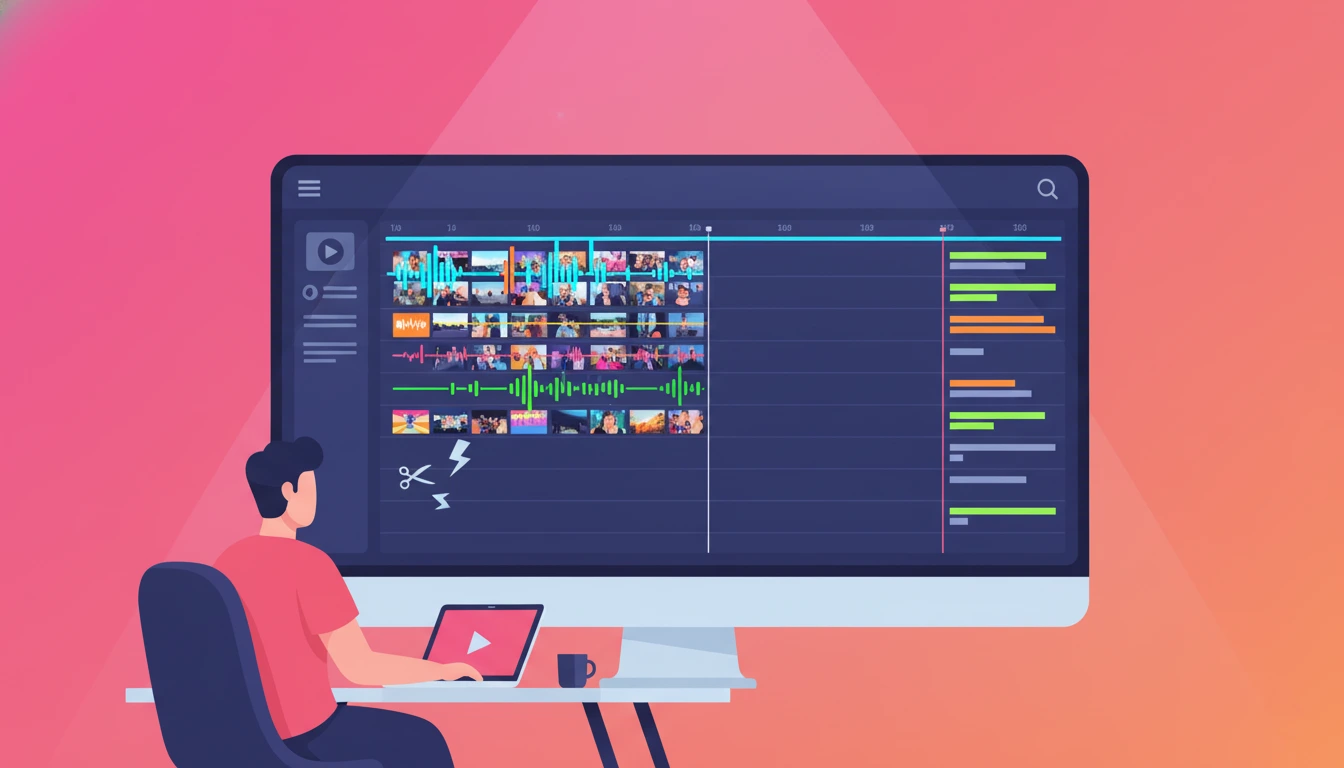
These platform differences matter because editing for sound-first, hyper-fast formats differs structurally from YouTube Shorts (value-first, then compelling visuals).
The Five Hook Archetypes: Which Works for Your Micro-Drama?
- The Visual Hook
Open with something visually startling: unexpected color contrast, surprising motion, or a composition that immediately signals “something interesting is happening here.” Think: protagonist’s shocked expression, sudden environment shift, or unexpected visual composition. - The Immediate Question
Pose a compelling problem or question within the first second. “Why do 99% fail at this?” or “The mistake everyone makes with…” signals narrative tension that begs resolution. This works especially well for educational micro-dramas or mysteries. - The Preview Teaser
Show the climactic or most exciting moment from later in the episode as your opening frame, then cut to “Let me show you how this happened.” This inverts traditional narrative structure but exploits how vertical cinema captivates audiences through emotional payoff promises. - The Character-First Connection
Open on a relatable character in an emotionally resonant moment—confusion, excitement, vulnerability. When audiences instantly empathize, they’re invested before plot even begins. - The Context-Setting Shock
Establish normalcy, then subvert it completely within 3 seconds. “Normal girl discovers she has superpowers” works because the contrast itself creates narrative tension.
The best micro-dramas don’t choose one. They layer them. A 3-second opening might combine visual hook + immediate question + character expression simultaneously.
The Editing Rhythm: How Successful Creators Actually Cut
Here’s where theory meets craft. The creators maintaining 70%+ retention rates (like Vsauce) use specific editing rhythms that feel effortless but require meticulous planning.
The Progressive Rhythm Pattern
Start tight: change scenes every 10-20 seconds in the opening. This maintains energy when retention is lowest. Once the audience is hooked (after 60-90 seconds), widen spacing to 25-40 seconds per cut. This pattern mirrors human attention: grab early, then reward with deeper content.
The Contrast Pattern
This is what Peter McKinnon does: maintain steady pacing (15-25 seconds per cut) as baseline, but every 2-3 minutes, inject a “burst sequence”—5-10 quick cuts lasting 1-3 seconds each. Then return to calm pacing. The contrast itself prevents habituation to your editing rhythm.
Music-Synced Tempo
Don’t let cuts feel arbitrary. Sync your editing to music beats. Slower sequences (60-80 BPM) work for teaching moments or emotional beats. Faster rhythms (100-120 BPM) drive builds and transitions. When you’re about to reveal something pivotal, drop the music entirely—silence creates anticipatory power.
The Technical Arsenal: Fast Cuts, Text, Audio
Understanding rhythm is conceptual. Actually executing it requires technical precision.
Fast-Paced Cutting Discipline
In opening seconds, change scenes every 1-2 seconds. Avoid static shots beyond 3 seconds. This creates visual “texture” that prevents boredom. Use jump cuts aggressively in openings—they paradoxically feel more energetic than smooth transitions.
Text Overlay Strategy
Add captions in the first second (not after). Use bold, readable fonts (minimum 24pt) with high contrast colors. Animate text rather than static placement—a text element sliding or zooming captures micro-movements of attention.
Strategic Audio Architecture
Start with high-energy music or sound effect immediately—no slow fades. Sync audio spikes to visual moments. Use trending sounds on Instagram Reels but own your audio signature on YouTube. When crafting micro-drama storytelling narratives, remember that audio often hooks before visuals register.
Understanding Micro-Drama Editing Constraints
Vertical format requires specific optimization. As Garage Productions documented in their vertical storytelling guide, three principles dominate:
Narrative Compression: Keep one core message per vertical video. Remove filler. Move fast, land impact.
Visual Hook First: Open with bold statements, unexpected action, or emotional moments. These work across all platforms because they’re universal attention-grabbers.
Interactive Elements: Enable viewer engagement through pauses that invite reaction, moments designed for clipping/sharing, and clear narrative payoffs.
This principle explains why successful micro-dramas feel “tight”—every frame serves narrative purpose.
Platform Mastery: Tailoring Your Editing to Distribution
The same micro-drama edited differently performs differently across platforms.
For Instagram Reels, prioritize sound plus visual appeal. If your hook is audio-driven (a trending song, a memorable line), make that the opening anchor, but pair it with strong composition and movement.
For YouTube Shorts, you can afford slightly more context. Establish what viewers will learn or see, then deliver on that promise immediately.
The insight: don’t edit once, then distribute. Edit for each platform’s algorithmic preferences and audience behavior.
Advanced Pattern Interrupts: Keeping Viewers Past Minute One
After the 3-second hook succeeds, how do you maintain engagement? Successful creators use “pattern interrupts”—unexpected cuts or transitions that signal “something new is happening, stay with me.” Add visual change every 15-25 seconds (angle shift, B-roll cutaway, zoom). This subconscious signal prevents viewer autopilot.
Understanding the power of storytelling in advertising reveals that this pattern interrupts work because human brains crave novelty. Veritasium increased average view duration by 15% using question-based pattern interrupts.
Conclusion
The 3-second rule isn’t a limitation—it’s liberation. When you accept that most viewers will scroll away instantly, you’re free to obsess over those 3 seconds with absolute precision. Every pixel, every audio spike, every text overlay becomes intentional.
The micro-dramas winning in 2025 aren’t more expensive or star-studded. They’re edited with neurological precision, respecting audience attention as the scarcest resource. Master short-form video production techniques, apply these pacing principles, and watch your retention metrics soar. The audience hasn’t stopped watching dramas—they’ve just stopped watching boring openings.
FAQ’S
Q1. What exactly is the “3-second rule” in video editing?
87% of viewers decide to skip within 3 seconds. Videos mastering this hook achieve 340% higher engagement and 65% longer watch times through strategic visual, audio, or narrative openings.
Q2. Which hook type works best for micro-dramas?
Depends on platform. Instagram Reels favor aesthetic visuals plus strong audio; YouTube Shorts favor clear value propositions. Layer multiple hook types when possible.
Q3. How fast should editing cuts be in micro-drama openings?
Change scenes every 1-2 seconds in opening seconds; never exceed 3-second static shots. Once the audience is hooked (60-90 seconds), widen spacing to 25-40 seconds per cut to prevent monotony.
Q4. How do I sync the editing rhythm to music?
Use slower tempos (60-80 BPM) for teaching/emotional moments, faster rhythms (100-120 BPM) for builds. Drop music before major reveals—silence creates anticipatory power and draws attention.
Q5. What’s the most important element: visuals, audio, or pacing?
All three matter equally. But opening audio (trending sound or music spike) drives initial algorithmic push, visuals maintain viewer interest within 3 seconds, pacing prevents habituation. Master the interplay between all three.