

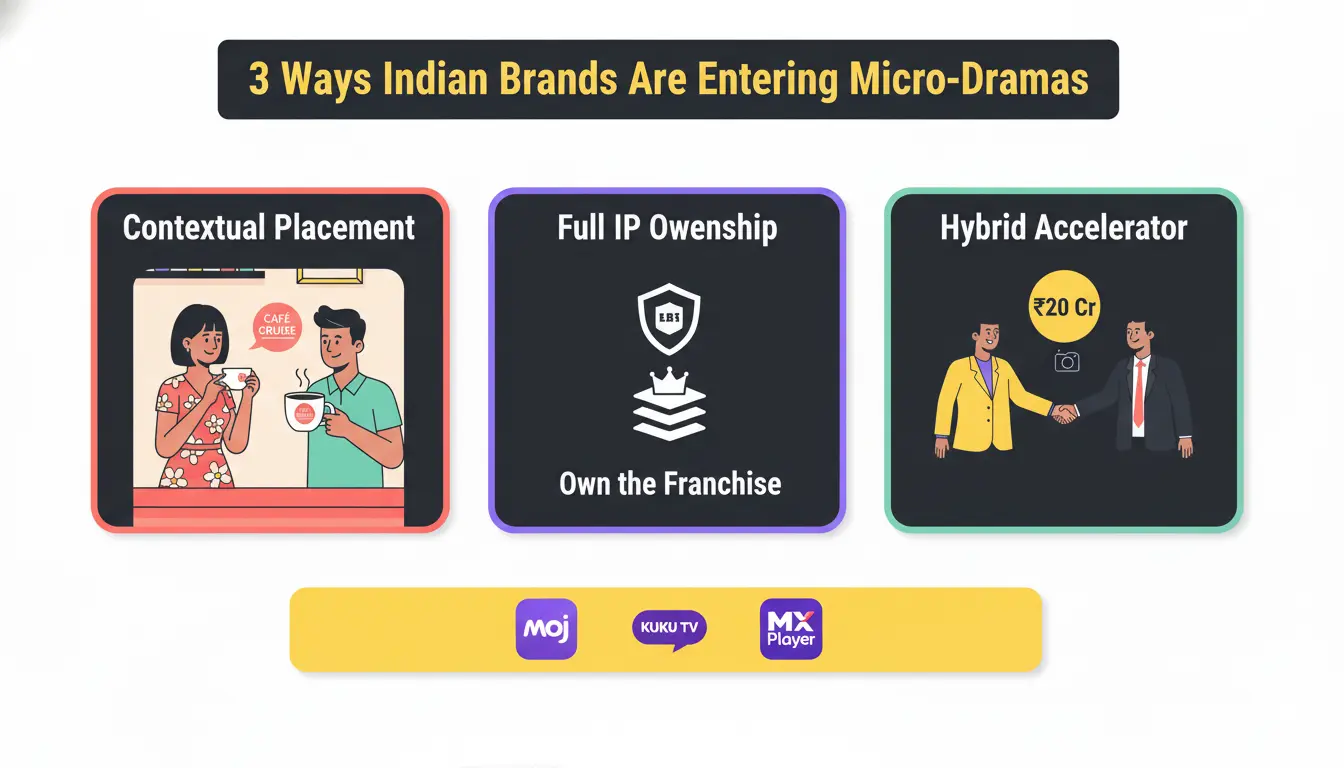
Micro-Drama Brand Integrations: How Indian Companies Are Funding & Starring in Viral Series
Indian brands are no longer buying ad slots inside micro-dramas—they are writing themselves into the story. From boAt integrating into Gen Z youth narratives to Myntra launching a six-episode wedding season series, Indian companies are funding, co-creating, and literally starring
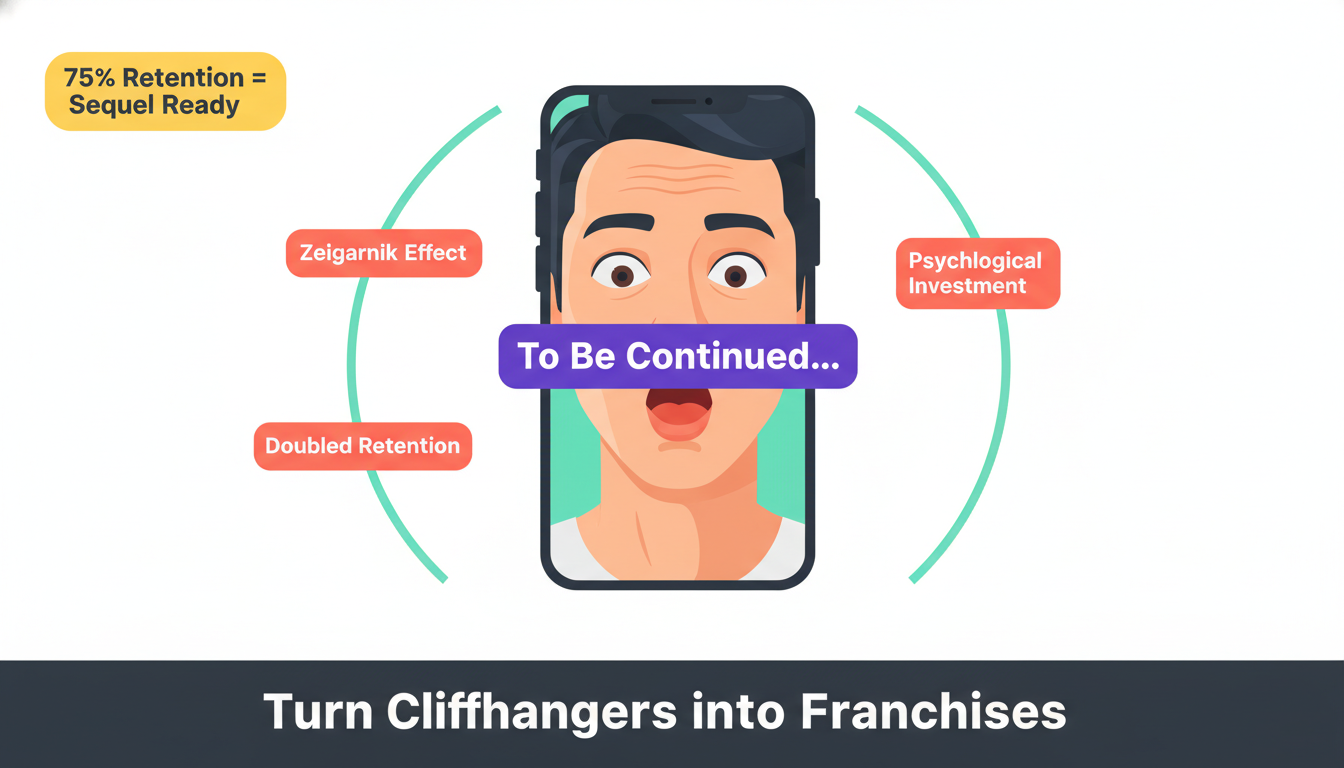
Building Micro-Drama Universes: Spin-offs, Sequels & Extended Story Arcs
Micro-dramas are evolving from one-and-done formats into sophisticated IP playgrounds where successful series spawn sequels, spin-offs, and extended universes—just like blockbuster film franchises but delivered in ultra-short, binge-able structures. StoryTV's "Hacker King 2" demonstrates this maturation, treating micro-drama as a
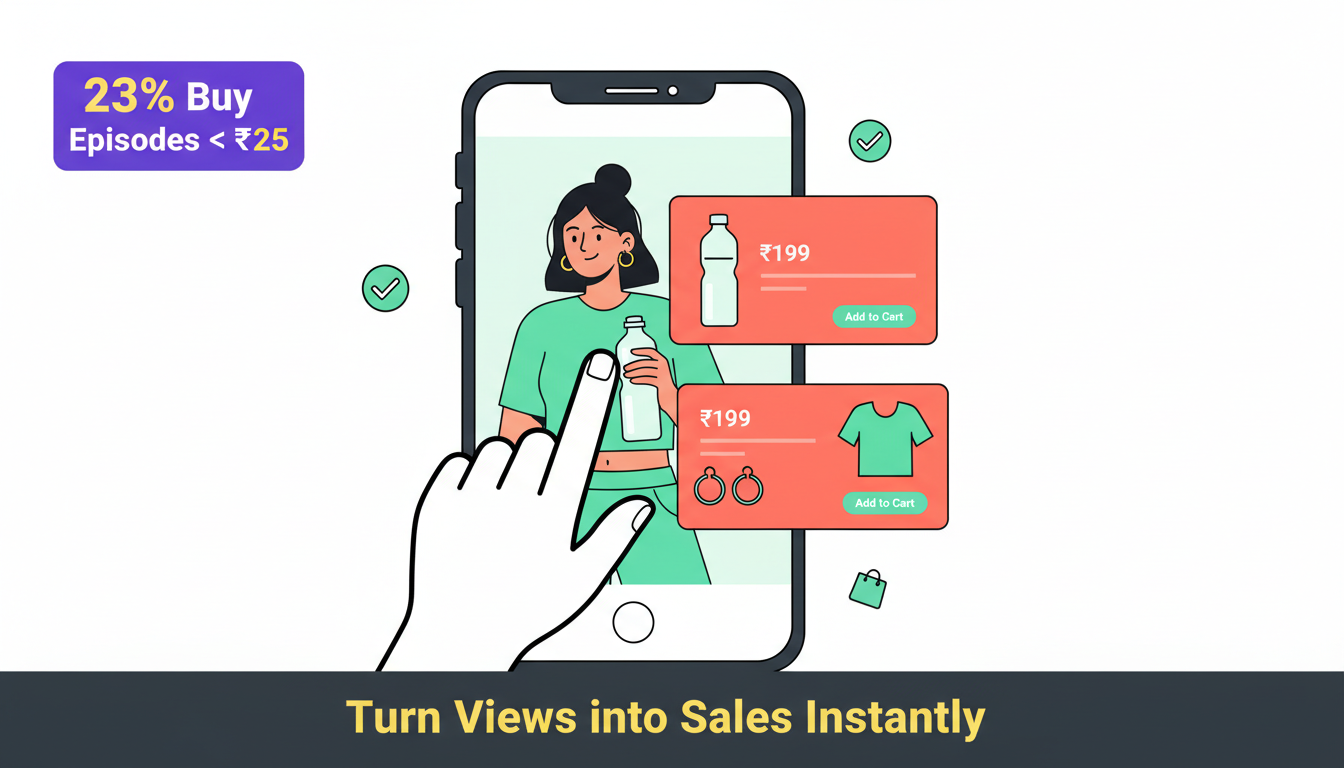
Shoppable Micro-Dramas: Turn Episodes into Revenue with Interactive Commerce
Shoppable micro-dramas represent the convergence of entertainment and e-commerce, transforming passive viewing into active purchasing through clickable hotspots, product tags, and seamless checkout experiences embedded directly within 60-90 second episodes. The global micro-series market will reach $7.8 billion in 2026—more
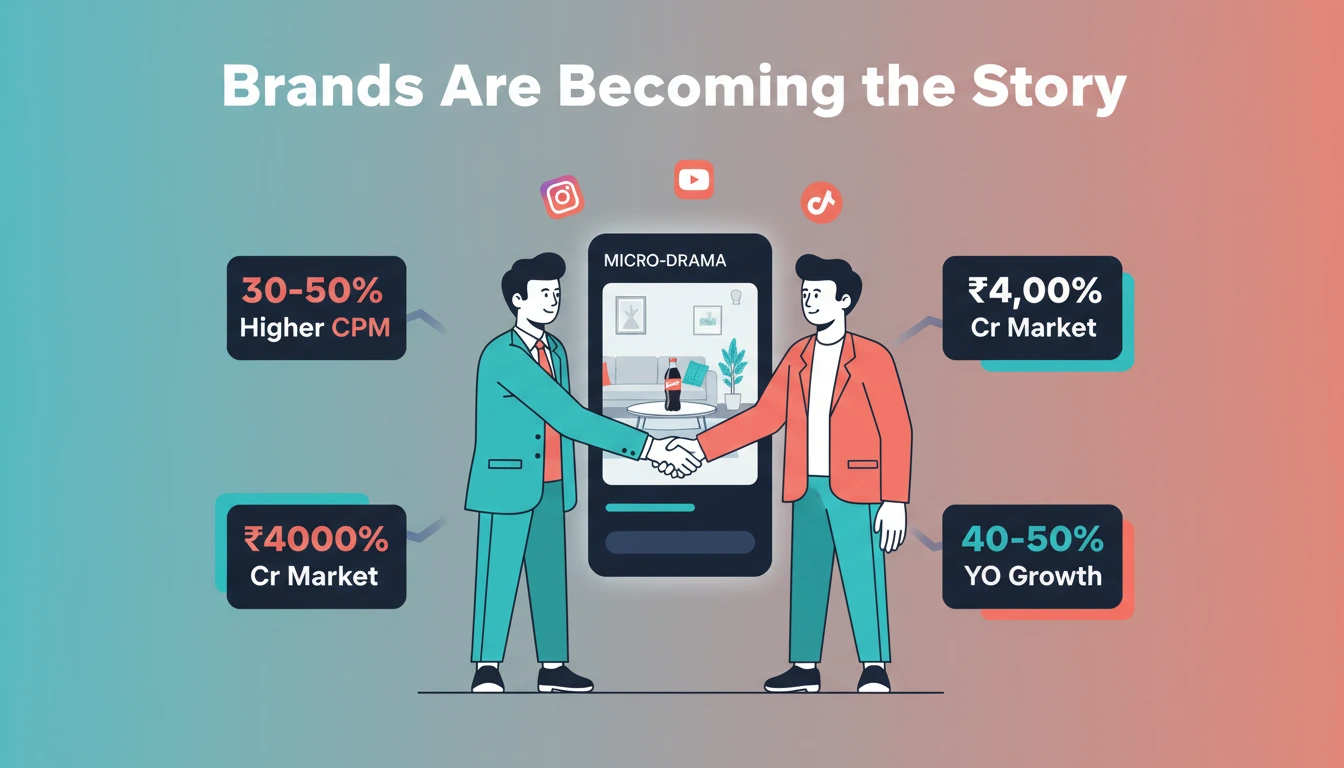
Co-Production Deals: How Brands Are Funding Micro-Drama IP in India
Brands are moving beyond traditional advertising to co-create intellectual property and long-term story integrations as India's micro-drama market races toward ₹4,000 crore by 2026, growing 40-50% year-over-year. This fundamental shift from one-off product placements to owning entire content formats represents

Micro-Drama Hook Science: What Makes Viewers Click in the First 3 Seconds
87% of viewers will scroll past your video within 3 seconds, but mastering the opening hook can increase engagement rates by 340% and extend average watch times by 65%. The difference between algorithmic obscurity and viral success hinges on a
Regional Language Micro-Dramas: Tap Tier-2 India’s ₹4,000 Crore Market
India's micro-drama market is projected to reach ₹4,000 crore by 2026, growing at 40-50% year-over-year, with regional language content driving 60-70% of total consumption from Tier-2 and Tier-3 cities. This explosive growth represents a fundamental shift in content consumption patterns